
Where To Find A Good Salad?
Table of Contents
1. Discovering Nutritious and Delicious Salads
2. How Many Calories Are in a Salad?
3. How Many Calories in Chicken and Salad?
4. What Is a Healthy Dressing for a Salad?
1. Discovering Nutritious and Delicious Salads
Embarking on a journey towards healthier eating often begins with the search for nutritious and tasty meals. Salads, with their diverse combination of fresh vegetables, lean proteins, and delightful dressings, are a popular choice for many. With numerous options available, from the classic Caesar to the exotic Thai Crunch, finding the perfect salad to satisfy your taste buds and nutritional needs can be an exciting culinary adventure. However, preparing these meals at home can be time-consuming. Thankfully, there's an array of ready-to-eat salads available for delivery, offering a convenient solution for those seeking to maintain a balanced diet without the hassle of cooking. These salad meals, packed with nutrients and bursting with unique flavors, make it easy to enjoy healthy eating. Plus, with sustainable packaging, choosing these options also supports environmental responsibility.
Order fresh salads today →
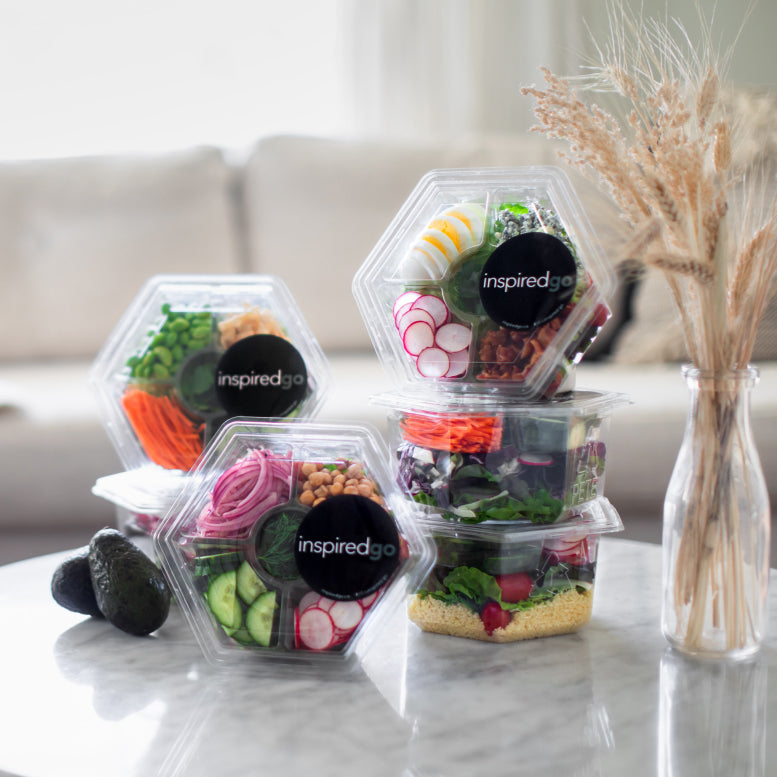

2. How Many Calories Are in a Salad?
The calorie content of a salad varies depending on its ingredients, portion size, and dressing. Salads featuring leafy greens, fresh vegetables, and lean proteins are typically low in calories while being nutrient-dense. However, adding ingredients like creamy dressings, croutons, or fried proteins can significantly increase calorie counts. A basic garden salad might contain fewer than 150 calories, while a chicken Caesar salad with dressing can range from 500–800 calories. Salad delivery services often provide detailed nutritional information, helping customers make informed choices about their meals. Pre-portioned salads reduce the risk of overeating and ensure balanced nutrition. With access to transparent calorie counts, customers can confidently enjoy delicious, satisfying salads that align with their dietary goals.
Choose your salads and schedule delivery →
3. How Many Calories in Chicken and Salad?
Chicken salads are a popular meal option, combining lean protein with fresh vegetables for a balanced, satisfying dish. The calorie count in a chicken salad depends on factors like chicken preparation, dressing choice, and additional toppings. Grilled chicken typically adds fewer calories compared to fried or breaded chicken. A standard grilled chicken salad usually contains between 300–500 calories, while creamier dressings and fried chicken can push calorie counts higher. Salad delivery services provide clear nutritional information, allowing customers to make informed choices about their orders. With options to customize salads—such as choosing low-calorie dressings or extra vegetables—customers can easily tailor their meals to fit their dietary goals.
Get fresh salads and snacks delivered →
4. What Is a Healthy Dressing for a Salad?
Inspired Go recognizes that salad dressings play a significant role in determining the health value of a salad. While creamy dressings can often add excess calories and unhealthy fats, Inspired Go offers a variety of lighter alternatives, including vinaigrettes made with olive oil, citrus blends, and yogurt-based dressings. These options enhance flavor without overshadowing the natural taste of fresh greens and toppings. Each dressing is carefully portioned to ensure balance, preventing salads from becoming overly calorie-dense. Inspired Go also provides clear nutritional information for all dressings, allowing customers to make informed choices based on their dietary needs. By prioritizing clean, high-quality ingredients in their dressings, Inspired Go ensures that every salad remains a wholesome and satisfying meal option.
Try our fresh, ready-to-eat salads →
Frequently Asked Questions
The most nutritious salad greens are dark leafy varieties like spinach, kale, and arugula. These greens are packed with essential vitamins, including A, C, and K, as well as minerals like calcium and iron. Kale is particularly rich in antioxidants, while spinach offers significant amounts of folate and magnesium. Choosing a mix of dark greens enhances both the flavor and nutritional value of your salad.
A healthy salad includes a balance of nutrient-dense ingredients like leafy greens, fresh vegetables, lean proteins, and healthy fats. For example, a base of spinach and kale, paired with grilled chicken, cherry tomatoes, avocado, and a light olive oil dressing, creates a wholesome meal. Avoid fried toppings or sugary dressings, as they add empty calories, and opt for natural ingredients to maximize nutrition.
Yes, eating salad daily is a healthy habit when it includes a variety of fresh, nutrient-rich ingredients. Salads offer fiber for digestion, antioxidants for immunity, and essential nutrients like potassium and folate. Regularly eating salads can support weight management and improve energy levels. To avoid monotony, vary your greens, proteins, and toppings to keep meals satisfying and nutritionally balanced.
Healthy salad dressings are typically made with simple, natural ingredients. Olive oil-based dressings, paired with balsamic vinegar or fresh lemon juice, provide healthy fats and enhance flavor without unnecessary calories. Avoid store-bought dressings with high sugar or preservatives. For a creamy alternative, opt for homemade dressings using Greek yogurt or avocado for added nutritional benefits.
Yes, salads are incredibly beneficial for overall health when prepared with fresh, whole ingredients. They are low in calories and high in vitamins, minerals, and antioxidants, supporting heart health, digestion, and immunity. Adding a mix of proteins and healthy fats creates a satisfying, nutrient-dense meal. Regularly incorporating salads into your diet can promote long-term well-being and energy.


