
What Nutrients Are Hard To Get On A Vegan Diet?
Table of Contents
1. Nutritional Considerations in a Vegan Diet
2. What Is a Vegan Diet?
3. How Can Vegan Meal Delivery Support Weight Management?
4. How Does Inspired Go Make Vegan Eating Easy?
1. Nutritional Considerations in a Vegan Diet
Adopting a vegan diet can bring numerous health benefits, but it also poses certain challenges in terms of nutrition. Key nutrients that are often harder to obtain from a vegan diet include Vitamin B12, Iron, Calcium, and Omega-3 fatty acids. Vitamin B12, crucial for nerve function and the production of red blood cells, is primarily found in animal products. Iron, which is essential for the production of hemoglobin, also has a higher bioavailability in meat compared to plant-based sources. Calcium, vital for bone health, is abundant in dairy products, which are omitted in a vegan diet. Omega-3 fatty acids, important for brain health, are commonly sourced from fatty fish. However, with careful planning and the inclusion of specific plant-based foods, these nutritional gaps can be filled. With Inspired Go's diverse range of nutrient-packed meals, individuals can enjoy a balanced diet, regardless of dietary preferences or restrictions.
Order fresh salads today →

2. What Is a Vegan Diet?
A vegan diet focuses on consuming plant-based foods while eliminating all animal products, including meat, dairy, and eggs. This lifestyle emphasizes fruits, vegetables, grains, nuts, seeds, and legumes to meet nutritional needs. Vegan meal delivery services simplify this dietary choice by offering pre-prepared meals crafted with balanced macronutrients and essential vitamins. These services ensure that vegan meals are not only nutritious but also delicious and diverse, featuring creative recipes inspired by global cuisines. Additionally, vegan diets are often linked to health benefits such as improved heart health, better digestion, and weight management. By providing easy access to plant-based meals, vegan meal delivery eliminates the challenges of recipe planning, grocery shopping, and meal prep, making it convenient for both long-term vegans and those exploring a plant-based lifestyle.
Choose your salads and schedule delivery →
3. How Can Vegan Meal Delivery Support Weight Management?
Vegan meal delivery services play a significant role in supporting weight management goals through portion control and nutrient-dense ingredients. Plant-based meals are naturally high in fiber, which promotes satiety and prevents overeating. Proteins from tofu, chickpeas, and lentils offer sustained energy, while complex carbohydrates from grains provide long-lasting fullness. Vegan meal delivery services offer calorie-counted meals tailored to weight loss or maintenance goals, removing the need for tracking or guesswork. Additionally, avoiding overly processed vegan junk food ensures meals remain aligned with health objectives. By offering pre-measured, balanced meals, vegan meal delivery supports sustainable weight management while maintaining variety and satisfaction.
Get fresh salads and snacks delivered →
4. How Does Inspired Go Make Vegan Eating Easy?
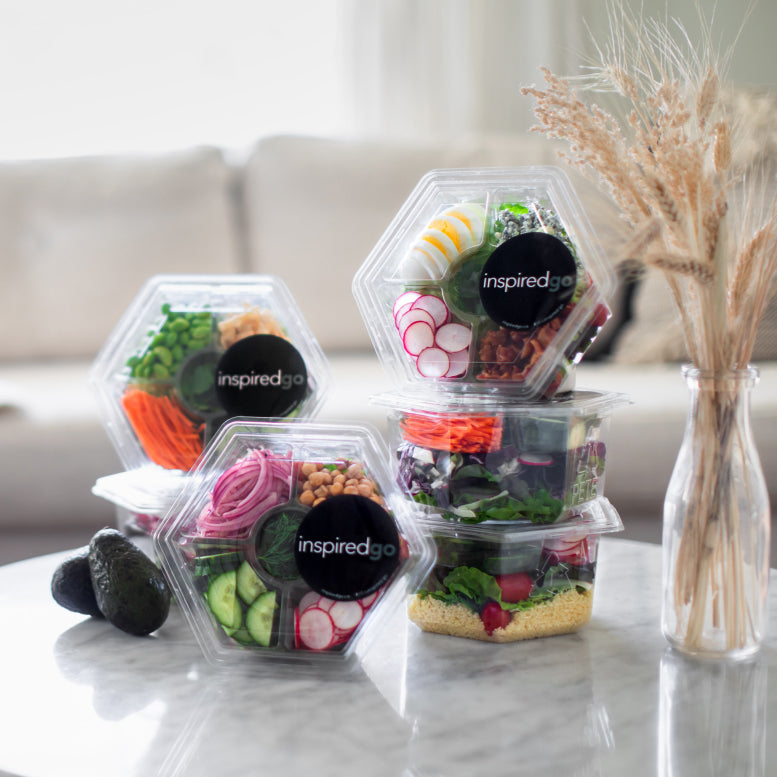
Inspired Go eliminates the hassle of meal planning, shopping, and cooking while still delivering nutritionally balanced vegan meals. Each dish is crafted with fresh, high-quality ingredients and designed to provide a full spectrum of essential nutrients, including plant-based proteins, fiber, and healthy fats. Inspired Go’s chefs draw inspiration from global cuisines, creating delicious, ready-to-eat options like grain bowls, vibrant salads, and hearty pasta dishes. With detailed nutritional labeling, customers can track their intake confidently, ensuring they meet their dietary needs without the complexity of meal prep. Whether you’re a long-time vegan or just exploring plant-based eating, Inspired Go offers a simple, delicious, and convenient way to enjoy a healthy vegan diet.
Try our fresh, ready-to-eat salads →
Frequently Asked Questions
The key difference between vegan and vegetarian diets lies in the exclusion of animal products. Vegetarians avoid meat, poultry, and fish but may consume animal-derived products like eggs, dairy, or honey. Vegans, on the other hand, exclude all animal products, focusing solely on plant-based foods. Veganism is often a lifestyle choice, avoiding animal products in all forms, including clothing and cosmetics.
A vegan diet consists entirely of plant-based foods, including fruits, vegetables, grains, nuts, seeds, and legumes. It excludes all animal-derived products, such as meat, fish, dairy, and eggs. This diet emphasizes nutrient-dense, whole foods, though processed vegan alternatives are available. A vegan diet, when well-balanced, supports good health and environmental sustainability, making it popular for ethical, health, and ecological reasons.
Not all vegan diets are gluten-free. While veganism excludes animal products, gluten is a protein found in wheat, barley, and rye, which are plant-based and commonly included in vegan meals. To maintain a vegan and gluten-free diet, focus on naturally gluten-free foods like fruits, vegetables, rice, quinoa, and gluten-free grains. Always check labels for hidden gluten in processed vegan foods.
On a vegan diet, you can enjoy a wide variety of plant-based foods, including fruits, vegetables, legumes, nuts, seeds, whole grains, and plant-based dairy alternatives. Popular vegan dishes include stir-fries, salads, grain bowls, soups, and curries. Incorporating fortified foods or supplements ensures you meet nutrient needs like B12, iron, and omega-3s, making the diet balanced and enjoyable.
A vegan diet can be very healthy when balanced and diverse. It’s rich in fiber, vitamins, and antioxidants, while being lower in saturated fat and cholesterol. These factors contribute to better heart health, weight management, and reduced risk of chronic diseases. However, careful planning is essential to ensure adequate intake of nutrients like vitamin B12, iron, and protein for overall health.


