
What Is A Healthy Diet For High Blood Pressure?
Table of Contents
1. Conquering High Blood Pressure with a Balanced Diet
2. How to Eat Healthy for Weight Loss?
3. How Can Meal Delivery Help With Sustainable Weight Loss?
4. How Can a Balanced Diet Improve Your Energy Levels?
1. Conquering High Blood Pressure with a Balanced Diet
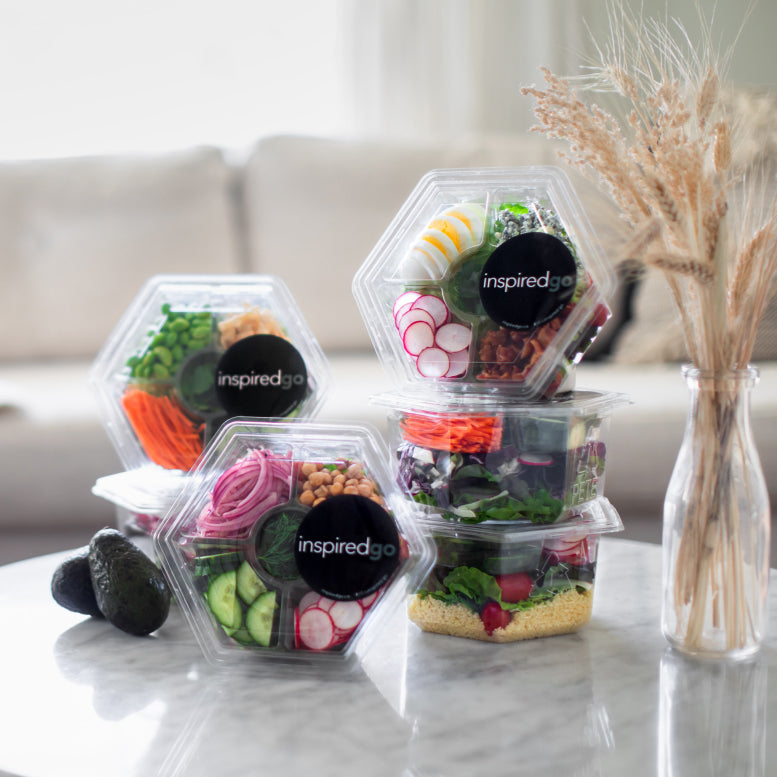
High blood pressure, a prevalent health issue worldwide, can be effectively managed with a well-balanced diet. Consuming a variety of nutrient-rich meals and snacks can significantly improve cardiovascular health and maintain optimal blood pressure levels. A diet rich in fruits, vegetables, lean proteins, and whole grains, complemented by reduced sodium intake, is the hallmark of a heart-healthy lifestyle. Opting for ready-to-eat meals that are thoughtfully crafted with fresh, locally sourced ingredients can ensure a steady intake of vital nutrients. These meals, inspired by global cuisines, offer unique flavors and textures, making healthy eating enjoyable and sustainable. Additionally, their convenience saves precious time, eliminating the stress of meal planning and preparation. Moreover, choosing meals delivered in recyclable packaging aligns with sustainable practices, reducing environmental impact while promoting health. Transparency in nutritional information is essential, allowing individuals to make informed dietary choices that align with their health goals. Ultimately, adopting a balanced diet is a powerful tool in managing high blood pressure, enabling individuals to lead healthier, happier lives.
Order fresh salads today →

2. How to Eat Healthy for Weight Loss?
Diet food delivery services are a powerful tool for individuals aiming to lose weight without sacrificing nutrition or convenience. Weight loss-focused meal plans are designed with controlled calorie counts, balanced macronutrients, and pre-measured portions to prevent overeating. Meals often prioritize lean proteins, fiber-rich vegetables, and complex carbohydrates to promote satiety and sustained energy levels. Clear nutritional labeling ensures customers can track their calorie and nutrient intake accurately. Pre-planned weekly deliveries reduce impulsive eating and reliance on unhealthy snacks. By offering consistent, portion-controlled meals crafted to support weight loss, diet food delivery services simplify adhering to dietary goals while removing the hassle of cooking and preparation.
Choose your salads and schedule delivery →
3. How Can Meal Delivery Help With Sustainable Weight Loss?
Achieving and maintaining weight loss isn’t just about cutting calories—it requires consistency, portion control, and the right balance of nutrients. Meal delivery services help customers lose weight sustainably by providing pre-portioned, nutrient-dense meals tailored to weight management. Unlike crash diets, which often lead to temporary results, structured meal plans focus on long-term success by ensuring balanced macronutrient intake while preventing overeating. With options for high-protein, low-carb, or calorie-controlled meals, individuals can select plans that align with their specific goals. By eliminating the guesswork of meal planning and preparation, diet meal delivery services make it easier to stay on track without feeling deprived or restricted.
Get fresh salads and snacks delivered →
4. How Can a Balanced Diet Improve Your Energy Levels?
Inspired Go delivers meals designed to sustain energy levels throughout the day by focusing on balanced nutrition. Each dish is crafted with a mix of lean proteins, complex carbohydrates, and healthy fats to prevent energy crashes and promote satiety. Subscription plans ensure consistent access to meals, reducing reliance on last-minute snack choices or fast food. Customers can track their calorie intake and macronutrient distribution through transparent nutritional labeling, ensuring meals align with their energy requirements. Inspired Go’s ready-to-eat meals eliminate the need for time-consuming meal prep, allowing customers to focus on their daily activities with sustained energy and improved mental clarity.
Try our fresh, ready-to-eat salads →
Frequently Asked Questions
Eating healthy without cooking is achievable by incorporating ready-to-eat nutritious options into your diet. Pre-prepared salads, fresh fruit, nuts, yogurt, and meal delivery services offering balanced meals are excellent choices. Look for meals high in fiber, protein, and healthy fats while minimizing processed ingredients. This approach ensures you maintain a nutritious diet even with a busy lifestyle or lack of cooking time.
Eating healthy on a budget involves planning meals around affordable, nutrient-dense ingredients. Prioritize staples like whole grains, beans, and seasonal vegetables, which are both inexpensive and nutritious. Opt for meal prep services or delivery plans that offer cost-effective options for healthy eating. Buying in bulk, reducing waste, and preparing meals at home also significantly reduce costs while maintaining balanced nutrition.
A healthy diet is one that emphasizes whole, unprocessed foods like fruits, vegetables, lean proteins, whole grains, and healthy fats. It provides the necessary nutrients for energy, growth, and disease prevention while limiting added sugars, saturated fats, and highly processed foods. A balanced diet supports physical and mental well-being and can be tailored to meet individual nutritional needs.
To eat more healthily, focus on gradually incorporating whole foods into your meals. Start by adding more vegetables to your plate, swapping refined grains for whole grains, and opting for lean protein sources like fish or legumes. Stay hydrated and avoid sugary beverages. Small, consistent changes can lead to long-term improvements in dietary habits without feeling restrictive.
Eating healthy is essential for maintaining overall health and well-being. A balanced diet reduces the risk of chronic diseases such as diabetes, heart disease, and obesity while supporting energy levels, mental clarity, and immune function. Consuming nutrient-dense foods provides your body with the vitamins and minerals it needs to function optimally, contributing to a longer, healthier life.


