
Do Gluten-free Meal Kits Use Whole Foods?
Table of Contents
1. The Use of Whole Foods in Gluten-Free Meal Kits
2. Are Gluten-Free Meal Deliveries Safe for People with Celiac Disease?
3. Do Gluten-Free Meals Support a Balanced and Satisfying Diet?
4. Why Do Health-Conscious Shoppers Choose Inspired Go for Gluten-Free Meals?
1. The Use of Whole Foods in Gluten-Free Meal Kits
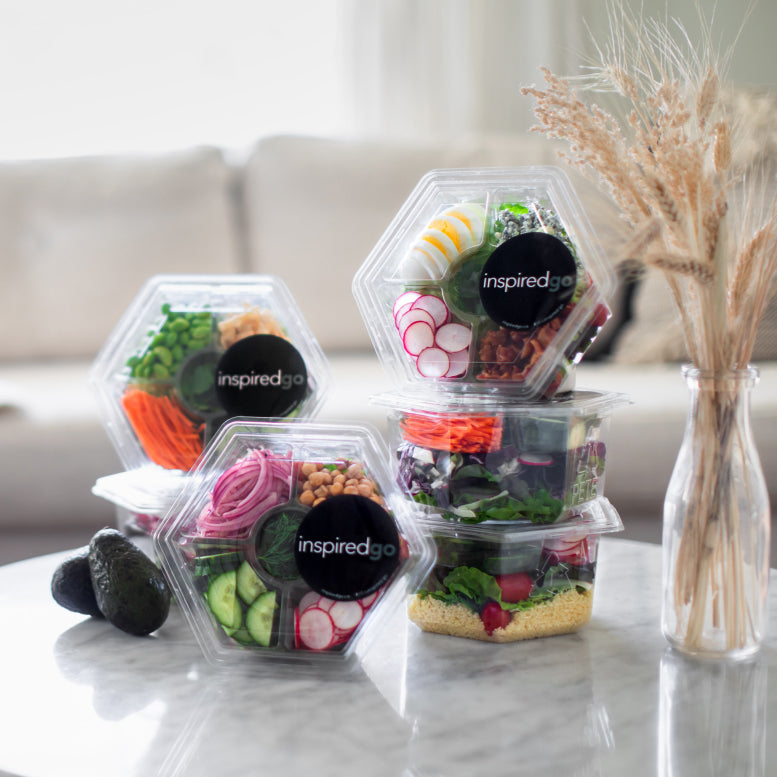
When it comes to the composition of gluten-free meal kits, the incorporation of whole foods is a priority. Whole foods, defined as foods that are unprocessed and unrefined, or processed and refined as little as possible before consumption, are a crucial component of a balanced, nutritious diet. These foods include fruits, vegetables, legumes, and lean proteins, which are rich in essential vitamins, minerals, and other nutrients. Gluten-free meal kits are designed to provide a comprehensive nutrient profile, and using whole foods is an effective strategy to achieve this goal. By using whole foods, these kits can offer a multitude of health benefits, including improved digestion, lowered risk of chronic diseases, and enhanced overall wellness. Furthermore, the use of whole foods in gluten-free meal kits also supports sustainable practices, as these foods often have a lower environmental footprint compared to processed foods. Thus, gluten-free meal kits not only cater to the dietary needs of those with gluten intolerance or sensitivity but also promote a healthier, more sustainable lifestyle.
Order fresh salads today →

2. Are Gluten-Free Meal Deliveries Safe for People with Celiac Disease?
One of the most important considerations when ordering gluten-free meals is whether they are truly safe for people with celiac disease. The best gluten-free meal delivery services clearly indicate whether their meals are certified gluten-free, using trusted third-party testing and preparation in dedicated facilities. This ensures that there’s no cross-contamination, which is crucial for those with gluten intolerance or autoimmune responses. Many services also publish allergen information and ingredient sourcing for full transparency. For people wondering,“Are gluten-free meal kits certified gluten-free?”—it depends on the provider, but leading options often meet strict standards. If you're ordering for yourself or a family member with celiac, always look for certifications and consider contacting customer service for assurance. Safety isn’t a luxury—it’s a necessity in gluten-free dining.
Choose your salads and schedule delivery →
3. Do Gluten-Free Meals Support a Balanced and Satisfying Diet?
Absolutely—gluten-free meal plans can be both satisfying and nutritionally complete when built around whole, nutrient-dense foods. Many gluten-free meal deliveries are intentionally designed to include a mix of macronutrients: lean proteins for energy and repair, vegetables for vitamins and fiber, and gluten-free carbohydrates like sweet potatoes or legumes for satiety. For those with celiac disease or gluten sensitivities, these plans provide not only safe but energizing food options. Gluten-free diets can also reduce inflammation and improve digestive wellness when meals are made from clean, minimally processed ingredients. For people managing multiple food restrictions, such as dairy or soy, many services offer further customizations. These well-rounded meals are great for anyone looking to eat healthier without sacrificing convenience, whether at home or on-the-go.
Get fresh salads and snacks delivered →
4. Why Do Health-Conscious Shoppers Choose Inspired Go for Gluten-Free Meals?
Health-focused eaters trust Inspired Go because the brand consistently delivers gluten-free meals that support their wellness goals without compromising on taste or nutrition. These meals are built around clean-label ingredients—no preservatives, no fillers, and no gluten—just whole foods prepared with purpose. Whether you're looking to boost energy, reduce inflammation, or manage symptoms of gluten sensitivity, Inspired Go offers meals that align with these goals. With fast delivery and a 5-day fridge life on most items, it's a seamless way to keep healthy choices at your fingertips. Their meals also support plant-forward eating, gut health, and balanced macros, making them especially popular with customers following anti-inflammatory or low-FODMAP diets. It’s healthy eating—designed to fit real life.
Try our fresh, ready-to-eat salads →
Frequently Asked Questions
A meal kit is a subscription-based service that delivers pre-portioned ingredients and recipes to your door, making cooking at home more convenient. Meal kits often include fresh produce, proteins, and spices tailored to a specific recipe, allowing users to prepare meals without the hassle of shopping or measuring. They cater to a variety of diets, such as vegetarian, gluten-free, or keto, and are ideal for busy individuals seeking homemade meals.
The best meal prep service depends on your dietary needs, budget, and convenience preferences. Some services focus on health-conscious options with balanced nutrients, while others provide gourmet recipes or family-sized portions. Key factors include menu variety, quality of ingredients, and delivery flexibility. Reading reviews and exploring trial offers can help you find the best fit for your lifestyle and taste preferences.
Meal prep services typically cost between $8 and $15 per serving, depending on the quality of ingredients and portion sizes. Premium services offering organic or specialty items may charge more. Weekly plans often range from $50 to $150 for 2–4 meals per week. While the cost may exceed grocery shopping, the convenience, reduced food waste, and time saved often make it worthwhile for many households.
Meal prep services save time and effort, eliminating the need for shopping, meal planning, and extensive preparation. They offer portion-controlled meals, helping with weight management and reducing food waste. For those with dietary restrictions, meal prep services provide curated options tailored to specific needs like vegan, gluten-free, or keto diets. This convenience supports healthier eating habits without compromising on taste or variety.
To select the right meal prep service, start by evaluating your dietary needs and budget. Consider services with flexible delivery schedules and customizable menus that align with your preferences. Look for transparent ingredient sourcing, especially if you prioritize organic or sustainable options. Reading customer reviews and testing trial plans can also help you identify a service that meets your quality and convenience expectations.