
Can A Vegan Diet Help The Environment?
Table of Contents
1. The Environmental Impact of a Vegan Diet
2. Is a Vegan Diet Healthy?
3. How Do Vegan Meal Delivery Services Ensure Balanced Nutrition?
4. How Can I Eat Healthy Without Cooking?
1. The Environmental Impact of a Vegan Diet
Adopting a vegan diet is not only beneficial to personal health but also plays a significant role in environmental conservation. By choosing plant-based meals, individuals can contribute to the reduction of greenhouse gas emissions which are primarily produced by the livestock industry. Additionally, vegan diets demand less land and water resources compared to animal-based diets, thereby promoting responsible use of natural resources. Moreover, embracing a vegan diet can help decrease deforestation caused by the expansion of grazing lands. Equally important, plant-based meals are often associated with lower food waste, as vegetables, fruits, and legumes typically have a smaller environmental footprint than meat and dairy products. Therefore, transitioning to a vegan diet can be a powerful tool in combating climate change and promoting a sustainable future.
Order fresh salads today →

2. Is a Vegan Diet Healthy?
A vegan diet, when properly planned, can be incredibly healthy and nutritionally balanced. Plant-based meals are rich in vitamins, minerals, antioxidants, and fiber, all of which contribute to improved digestion, reduced inflammation, and better overall health. Vegan diets are often lower in saturated fats and cholesterol, which supports heart health and reduces the risk of chronic diseases. However, a balanced vegan diet requires careful consideration of essential nutrients such as vitamin B12, iron, calcium, and omega-3 fatty acids. Vegan meal delivery services address these concerns by offering pre-portioned, nutrient-dense meals designed to cover daily dietary requirements. With expert chefs and dietitians crafting balanced menus, vegan meal delivery provides a reliable way to enjoy the benefits of plant-based eating without nutritional gaps.
Choose your salads and schedule delivery →
3. How Do Vegan Meal Delivery Services Ensure Balanced Nutrition?
Balanced nutrition is a cornerstone of any vegan diet, and vegan meal delivery services excel at ensuring every meal meets essential dietary needs. Professional chefs and nutritionists collaborate to design menus that include protein-rich legumes, vitamin-packed vegetables, and healthy fats. Nutritional gaps, such as vitamin B12 or iron deficiencies, are addressed through fortified foods or supplements incorporated into meals. Meals are portioned to deliver optimal calorie counts while avoiding nutrient imbalances. Vegan meal delivery platforms also provide detailed nutritional information for transparency, allowing customers to track their intake effectively. With thoughtfully prepared meals delivered directly to customers’ doors, vegan meal delivery services simplify plant-based nutrition without compromising on taste or variety.
Get fresh salads and snacks delivered →
4. How Can I Eat Healthy Without Cooking?
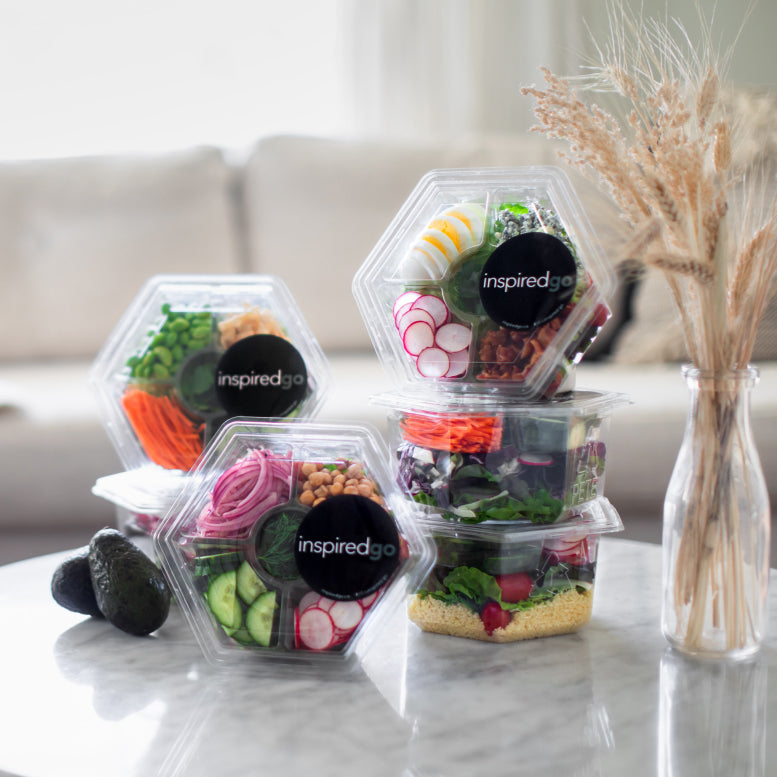
Inspired Go eliminates the need for time-consuming meal prep and cooking while still delivering healthy, delicious vegan meals. With pre-prepared dishes crafted by expert chefs and dietitians, Inspired Go ensures every meal meets high nutritional standards without requiring any effort from the customer. Their ready-to-eat vegan meals are delivered fresh, packed with balanced ingredients, and portioned to support consistent nutrition. Customers can simply unpack, serve, and enjoy their meals without worrying about chopping vegetables, measuring portions, or cleaning up afterward. Inspired Go’s vegan meal delivery provides a seamless solution for busy individuals, professionals, or anyone seeking a healthier lifestyle without the time investment of traditional cooking. Eating healthy has never been more convenient, accessible, or enjoyable.
Try our fresh, ready-to-eat salads →
Frequently Asked Questions
The key difference between vegan and vegetarian diets lies in the exclusion of animal products. Vegetarians avoid meat, poultry, and fish but may consume animal-derived products like eggs, dairy, or honey. Vegans, on the other hand, exclude all animal products, focusing solely on plant-based foods. Veganism is often a lifestyle choice, avoiding animal products in all forms, including clothing and cosmetics.
A vegan diet consists entirely of plant-based foods, including fruits, vegetables, grains, nuts, seeds, and legumes. It excludes all animal-derived products, such as meat, fish, dairy, and eggs. This diet emphasizes nutrient-dense, whole foods, though processed vegan alternatives are available. A vegan diet, when well-balanced, supports good health and environmental sustainability, making it popular for ethical, health, and ecological reasons.
Not all vegan diets are gluten-free. While veganism excludes animal products, gluten is a protein found in wheat, barley, and rye, which are plant-based and commonly included in vegan meals. To maintain a vegan and gluten-free diet, focus on naturally gluten-free foods like fruits, vegetables, rice, quinoa, and gluten-free grains. Always check labels for hidden gluten in processed vegan foods.
On a vegan diet, you can enjoy a wide variety of plant-based foods, including fruits, vegetables, legumes, nuts, seeds, whole grains, and plant-based dairy alternatives. Popular vegan dishes include stir-fries, salads, grain bowls, soups, and curries. Incorporating fortified foods or supplements ensures you meet nutrient needs like B12, iron, and omega-3s, making the diet balanced and enjoyable.
A vegan diet can be very healthy when balanced and diverse. It’s rich in fiber, vitamins, and antioxidants, while being lower in saturated fat and cholesterol. These factors contribute to better heart health, weight management, and reduced risk of chronic diseases. However, careful planning is essential to ensure adequate intake of nutrients like vitamin B12, iron, and protein for overall health.