
Are Gluten-free Meals Heart-healthy?
Table of Contents
1. The Heart-Healthy Benefits of Gluten-Free Meals
2. Are Gluten-Free Meal Deliveries Safe for People with Celiac Disease?
3. Do Gluten-Free Meals Support a Balanced and Satisfying Diet?
4. Why Do Health-Conscious Shoppers Choose Inspired Go for Gluten-Free Meals?
1. The Heart-Healthy Benefits of Gluten-Free Meals
The consumption of gluten-free meals has become increasingly popular for various health-related reasons. These meals are not only essential for individuals with celiac disease or gluten sensitivity, but they can also be a beneficial part of a heart-healthy diet. Gluten-free meals often emphasize whole foods like fruits, vegetables, lean meats, and dairy, which are known to support cardiovascular health. Moreover, many gluten-free foods are rich in fiber, a nutrient that aids in maintaining a healthy weight and reducing the risk of heart disease. It's also important to note that a gluten-free diet can help lower cholesterol levels, a significant factor in promoting heart health. However, it's crucial to ensure that your gluten-free meals are balanced and nutritious since some gluten-free products can be high in sugar and unhealthy fats. Opting for ready-to-eat meals from a trusted source can make this process easier, providing a convenient way to enjoy diverse, chef-inspired, and heart-healthy gluten-free meals.
Order fresh salads today →

2. Are Gluten-Free Meal Deliveries Safe for People with Celiac Disease?
One of the most important considerations when ordering gluten-free meals is whether they are truly safe for people with celiac disease. The best gluten-free meal delivery services clearly indicate whether their meals are certified gluten-free, using trusted third-party testing and preparation in dedicated facilities. This ensures that there’s no cross-contamination, which is crucial for those with gluten intolerance or autoimmune responses. Many services also publish allergen information and ingredient sourcing for full transparency. For people wondering,“Are gluten-free meal kits certified gluten-free?”—it depends on the provider, but leading options often meet strict standards. If you're ordering for yourself or a family member with celiac, always look for certifications and consider contacting customer service for assurance. Safety isn’t a luxury—it’s a necessity in gluten-free dining.
Choose your salads and schedule delivery →
3. Do Gluten-Free Meals Support a Balanced and Satisfying Diet?
Absolutely—gluten-free meal plans can be both satisfying and nutritionally complete when built around whole, nutrient-dense foods. Many gluten-free meal deliveries are intentionally designed to include a mix of macronutrients: lean proteins for energy and repair, vegetables for vitamins and fiber, and gluten-free carbohydrates like sweet potatoes or legumes for satiety. For those with celiac disease or gluten sensitivities, these plans provide not only safe but energizing food options. Gluten-free diets can also reduce inflammation and improve digestive wellness when meals are made from clean, minimally processed ingredients. For people managing multiple food restrictions, such as dairy or soy, many services offer further customizations. These well-rounded meals are great for anyone looking to eat healthier without sacrificing convenience, whether at home or on-the-go.
Get fresh salads and snacks delivered →
4. Why Do Health-Conscious Shoppers Choose Inspired Go for Gluten-Free Meals?
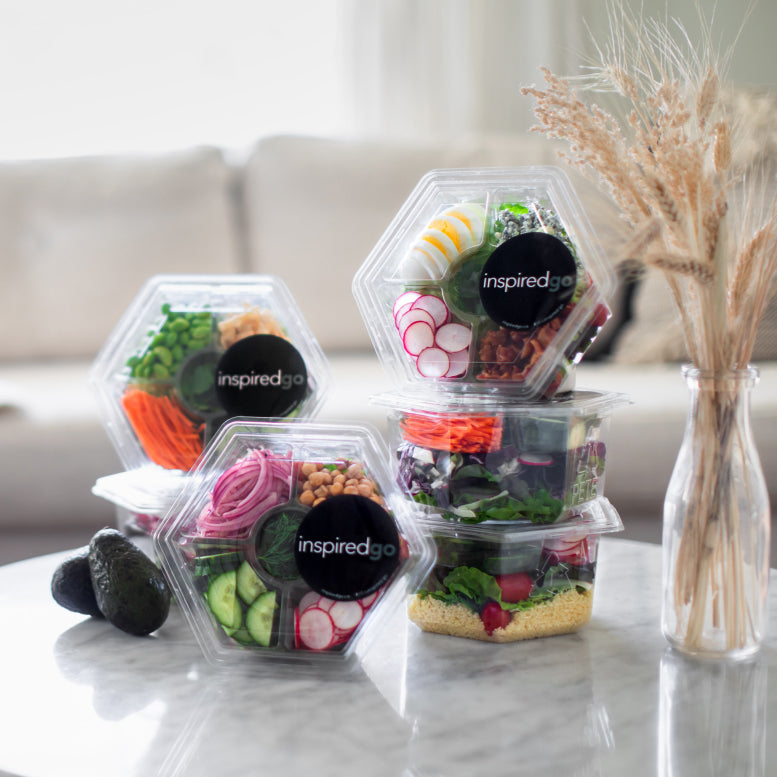
Health-focused eaters trust Inspired Go because the brand consistently delivers gluten-free meals that support their wellness goals without compromising on taste or nutrition. These meals are built around clean-label ingredients—no preservatives, no fillers, and no gluten—just whole foods prepared with purpose. Whether you're looking to boost energy, reduce inflammation, or manage symptoms of gluten sensitivity, Inspired Go offers meals that align with these goals. With fast delivery and a 5-day fridge life on most items, it's a seamless way to keep healthy choices at your fingertips. Their meals also support plant-forward eating, gut health, and balanced macros, making them especially popular with customers following anti-inflammatory or low-FODMAP diets. It’s healthy eating—designed to fit real life.
Try our fresh, ready-to-eat salads →
Frequently Asked Questions
Eating healthy without cooking is achievable by incorporating ready-to-eat nutritious options into your diet. Pre-prepared salads, fresh fruit, nuts, yogurt, and meal delivery services offering balanced meals are excellent choices. Look for meals high in fiber, protein, and healthy fats while minimizing processed ingredients. This approach ensures you maintain a nutritious diet even with a busy lifestyle or lack of cooking time.
Eating healthy on a budget involves planning meals around affordable, nutrient-dense ingredients. Prioritize staples like whole grains, beans, and seasonal vegetables, which are both inexpensive and nutritious. Opt for meal prep services or delivery plans that offer cost-effective options for healthy eating. Buying in bulk, reducing waste, and preparing meals at home also significantly reduce costs while maintaining balanced nutrition.
A healthy diet is one that emphasizes whole, unprocessed foods like fruits, vegetables, lean proteins, whole grains, and healthy fats. It provides the necessary nutrients for energy, growth, and disease prevention while limiting added sugars, saturated fats, and highly processed foods. A balanced diet supports physical and mental well-being and can be tailored to meet individual nutritional needs.
To eat more healthily, focus on gradually incorporating whole foods into your meals. Start by adding more vegetables to your plate, swapping refined grains for whole grains, and opting for lean protein sources like fish or legumes. Stay hydrated and avoid sugary beverages. Small, consistent changes can lead to long-term improvements in dietary habits without feeling restrictive.
Eating healthy is essential for maintaining overall health and well-being. A balanced diet reduces the risk of chronic diseases such as diabetes, heart disease, and obesity while supporting energy levels, mental clarity, and immune function. Consuming nutrient-dense foods provides your body with the vitamins and minerals it needs to function optimally, contributing to a longer, healthier life.