
Which Salad Ingredients Are Low In Carbs?
Table of Contents
1. Low-Carb Ingredients Found in Salads
2. How Can Low Carb Meals Help With Bloating and Digestion?
3. How Do Low Carb Meals Help With Consistent Energy and Focus?
4. How Inspired Go Makes Low Carb Eating Delicious and Effortless
1. Low-Carb Ingredients Found in Salads
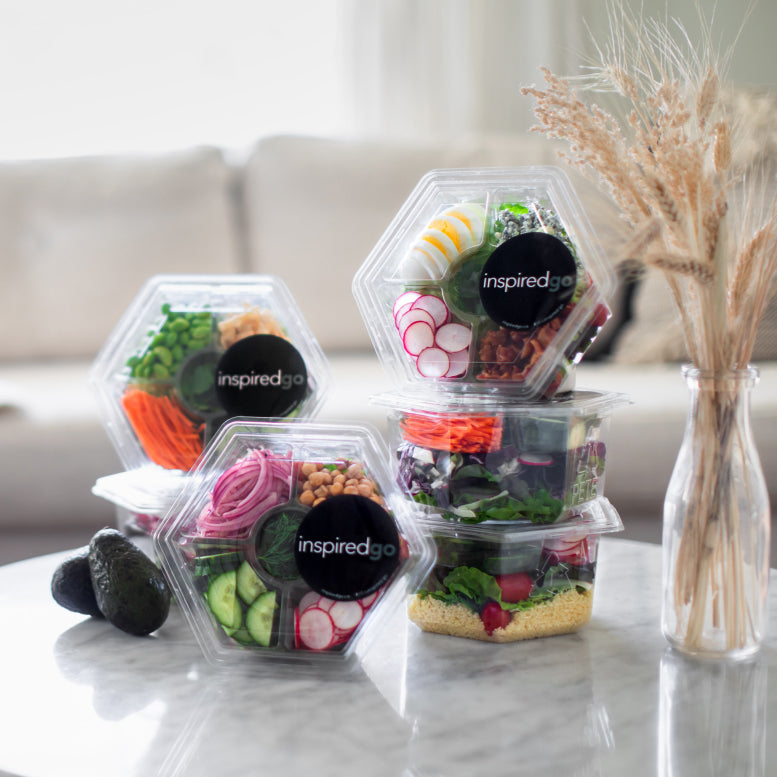
When it comes to maintaining a balanced diet with a focus on low-carb intake, salads can be a perfect choice. They are versatile, allowing you to mix and match a variety of ingredients to suit your dietary needs. Some low-carb ingredients commonly found in salads include leafy greens like spinach and kale, which are packed with essential vitamins and minerals but have minimal carbs. Fresh vegetables like cucumbers, bell peppers, broccoli, and zucchini are also low in carbohydrates and add a satisfying crunch to your salad. Lean proteins such as chicken, turkey, or tofu provide necessary nutrients without contributing many carbs. Additionally, healthy fats from avocados, olives, or nuts can make your salad more filling while keeping the carb count low. By choosing ingredients wisely, you can enjoy a flavorful, satisfying salad that aligns with your low-carb dietary goals.
Order fresh salads today →

2. How Can Low Carb Meals Help With Bloating and Digestion?
Digestive discomfort is often linked to highly processed meals or overconsumption of refined carbs, which can cause bloating, irregularity, and sluggish digestion. Low carb meals that emphasize whole vegetables, light proteins, and healthy fats can provide relief by reducing fermentation in the gut and improving nutrient absorption. Ingredients like leafy greens, cucumber, zucchini, and nuts offer natural fiber without the heaviness of starchy carbs. These foods also help balance gut bacteria and reduce inflammation, which can make a visible difference in how you feel day to day. When eaten consistently, this type of meal structure helps regulate digestion and ease stomach pressure. Over time, these food choices create a foundation for a calmer digestive system and more predictable energy.
Choose your salads and schedule delivery →
3. How Do Low Carb Meals Help With Consistent Energy and Focus?
Low carb meals help stabilize blood sugar, which is one of the most effective ways to maintain mental clarity and steady energy throughout the day. By avoiding spikes and crashes that come from refined carbs, your body uses fat and slow-burning nutrients for consistent fuel. Meals made with leafy greens, healthy oils, and clean proteins digest smoothly, preventing the lethargy that can follow heavier meals. This is especially beneficial for people managing demanding work schedules or fitness routines where sustained energy is key. Over time, these small changes can improve focus, productivity, and mood by reducing the fluctuations that often come with high-carb eating. The best part is that this approach works naturally with your metabolism, keeping you energized without caffeine dependence or afternoon fatigue.
Get fresh salads and snacks delivered →
4. How Inspired Go Makes Low Carb Eating Delicious and Effortless
At Inspired Go, we believe that healthy eating should be flavorful, satisfying, and convenient. That’s why our ready-to-eat low carb salads and bowls are designed to provide balance, freshness, and full-bodied taste without excess carbs. Each meal features nutrient-dense vegetables, clean proteins, and healthy fats that keep you energized and focused without the crash. Whether you’re looking for a light lunch, a post-gym option, or a quick meal on a busy day, we’ve made it effortless to stay consistent. Our chef-curated recipes highlight crisp textures, fresh herbs, and bold dressings that prove low carb doesn’t mean low flavor. With Inspired Go, you can maintain your goals while still looking forward to every bite, and enjoy the freedom of having healthy meals ready when you need them most.
Try our fresh, ready-to-eat salads →
Frequently Asked Questions
The most nutritious salad greens are dark leafy varieties like spinach, kale, and arugula. These greens are packed with essential vitamins, including A, C, and K, as well as minerals like calcium and iron. Kale is particularly rich in antioxidants, while spinach offers significant amounts of folate and magnesium. Choosing a mix of dark greens enhances both the flavor and nutritional value of your salad.
A healthy salad includes a balance of nutrient-dense ingredients like leafy greens, fresh vegetables, lean proteins, and healthy fats. For example, a base of spinach and kale, paired with grilled chicken, cherry tomatoes, avocado, and a light olive oil dressing, creates a wholesome meal. Avoid fried toppings or sugary dressings, as they add empty calories, and opt for natural ingredients to maximize nutrition.
Yes, eating salad daily is a healthy habit when it includes a variety of fresh, nutrient-rich ingredients. Salads offer fiber for digestion, antioxidants for immunity, and essential nutrients like potassium and folate. Regularly eating salads can support weight management and improve energy levels. To avoid monotony, vary your greens, proteins, and toppings to keep meals satisfying and nutritionally balanced.
Healthy salad dressings are typically made with simple, natural ingredients. Olive oil-based dressings, paired with balsamic vinegar or fresh lemon juice, provide healthy fats and enhance flavor without unnecessary calories. Avoid store-bought dressings with high sugar or preservatives. For a creamy alternative, opt for homemade dressings using Greek yogurt or avocado for added nutritional benefits.
Yes, salads are incredibly beneficial for overall health when prepared with fresh, whole ingredients. They are low in calories and high in vitamins, minerals, and antioxidants, supporting heart health, digestion, and immunity. Adding a mix of proteins and healthy fats creates a satisfying, nutrient-dense meal. Regularly incorporating salads into your diet can promote long-term well-being and energy.


