
What Healthy Foods Help Reduce Bloating?
Table of Contents
1. Alleviating Bloating with Nutritious Food Choices
2. How Do You Stay Consistent With Healthy Eating Habits?
3. Why Are Low-Cost Healthy Meals a Realistic Option?
4. How Inspired Go Makes Healthy Eating More Accessible
1. Alleviating Bloating with Nutritious Food Choices
Bloating can often be a sign that your body is struggling to digest certain foods or that your diet is lacking in essential nutrients. Fortunately, there are plenty of healthy foods that can help reduce bloating and improve your overall digestive health. One such food is ginger, which has been used for centuries to soothe the stomach and reduce bloating. Other options include peppermint and chamomile, both of which are known for their calming effects on the digestive system. Including plenty of fiber-rich foods, such as fruits, vegetables, and whole grains, can also aid in preventing bloating by promoting regular bowel movements. Additionally, foods high in potassium like bananas, avocados, and sweet potatoes can help to balance out sodium levels in the body and reduce water retention. Lastly, staying hydrated is critical for preventing bloating, so make sure to drink plenty of water throughout the day. By incorporating these foods into your diet, you can keep bloating at bay and promote healthy digestion.
Order fresh salads today →

2. How Do You Stay Consistent With Healthy Eating Habits?
The secret to maintaining healthy eating habits is building a routine that works for your lifestyle. Start by preparing meals with simple, whole ingredients that fuel your body for sustained energy throughout the day. Consistent meal timing helps regulate hunger and reduce impulse eating, while preparing meals ahead of time eliminates the need for last-minute unhealthy choices. Over time, this consistency creates patterns that are easier to stick to. When you prioritize nutrition over restriction and focus on whole, satisfying meals, healthy eating becomes second nature. Building a structure around healthy habits helps make them stick in the long run. These routines not only simplify your food choices but also reinforce positive eating habits, making healthy eating something that effortlessly fits into your everyday life.
Choose your salads and schedule delivery →
3. Why Are Low-Cost Healthy Meals a Realistic Option?
Eating healthy on a budget doesn’t require expensive ingredients or gourmet cooking techniques. By focusing on staple, affordable ingredients like beans, lentils, rice, and vegetables, you can build meals that are both cost-effective and nutritious. Making simple swaps such as buying frozen vegetables or bulk grains can stretch your food dollars further. Additionally, planning meals around seasonal produce or pantry staples helps save money while still supporting a balanced diet. Healthy eating on a budget is about making smart choices and choosing nutrient-dense options that provide the most value. With careful planning, nutritious meals can fit any budget, making it easier to stay committed to a healthy eating routine without overspending. When budget and nutrition come together, you can achieve your wellness goals without compromise.
Get fresh salads and snacks delivered →
4. How Inspired Go Makes Healthy Eating More Accessible
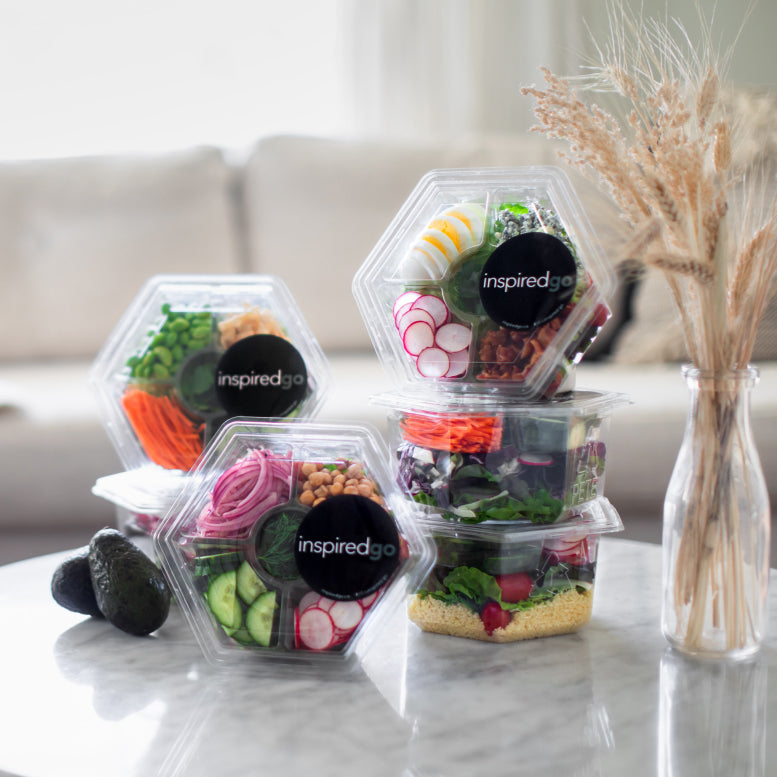
Inspired Go is dedicated to making healthy eating both convenient and affordable without sacrificing quality. Our meals are designed for individuals who want to eat better without spending hours in the kitchen or breaking the bank. Each meal is carefully crafted with high-quality ingredients that are both satisfying and nutrient-dense, supporting everything from digestive health to energy levels. We believe in creating meals that help you feel your best, no matter how busy your day gets. With Inspired Go, healthy eating is no longer a challenge, it’s an accessible, enjoyable part of your daily routine. We’re committed to making nutrition simple, easy, and enjoyable, so you can nourish your body without stress.
Try our fresh, ready-to-eat salads →
Frequently Asked Questions
Eating healthy without cooking is achievable by incorporating ready-to-eat nutritious options into your diet. Pre-prepared salads, fresh fruit, nuts, yogurt, and meal delivery services offering balanced meals are excellent choices. Look for meals high in fiber, protein, and healthy fats while minimizing processed ingredients. This approach ensures you maintain a nutritious diet even with a busy lifestyle or lack of cooking time.
Eating healthy on a budget involves planning meals around affordable, nutrient-dense ingredients. Prioritize staples like whole grains, beans, and seasonal vegetables, which are both inexpensive and nutritious. Opt for meal prep services or delivery plans that offer cost-effective options for healthy eating. Buying in bulk, reducing waste, and preparing meals at home also significantly reduce costs while maintaining balanced nutrition.
A healthy diet is one that emphasizes whole, unprocessed foods like fruits, vegetables, lean proteins, whole grains, and healthy fats. It provides the necessary nutrients for energy, growth, and disease prevention while limiting added sugars, saturated fats, and highly processed foods. A balanced diet supports physical and mental well-being and can be tailored to meet individual nutritional needs.
To eat more healthily, focus on gradually incorporating whole foods into your meals. Start by adding more vegetables to your plate, swapping refined grains for whole grains, and opting for lean protein sources like fish or legumes. Stay hydrated and avoid sugary beverages. Small, consistent changes can lead to long-term improvements in dietary habits without feeling restrictive.
Eating healthy is essential for maintaining overall health and well-being. A balanced diet reduces the risk of chronic diseases such as diabetes, heart disease, and obesity while supporting energy levels, mental clarity, and immune function. Consuming nutrient-dense foods provides your body with the vitamins and minerals it needs to function optimally, contributing to a longer, healthier life.