
What Does Fiber Do In Meals?
Table of Contents
1. The Importance of Fiber in Meals
2. What Ingredients Turn a Simple Salad Into a High‑Fiber Powerhouse?
3. How Can Fiber‑Rich Meals Improve Gut and Metabolic Health?
4. Inspired Go’s Fresh, Fiber‑Rich Meals That Fit Your Lifestyle
1. The Importance of Fiber in Meals
Fiber is a crucial component in a balanced diet, and its inclusion in meals serves many vital functions. Chiefly, it aids in maintaining a healthy digestive system by adding bulk to the stool and facilitating regular bowel movements. This can help prevent constipation and other digestive issues. Additionally, fiber-rich foods can provide a feeling of fullness, which can help control overeating and contribute to weight management. Fiber also plays a significant role in controlling blood sugar levels, as it slows the absorption of sugar, thus preventing spikes in blood glucose. Moreover, a diet rich in fiber can contribute to heart health, as it helps reduce levels of LDL (bad) cholesterol. Therefore, incorporating fiber into meals can significantly enhance overall health and wellbeing.
Order fresh salads today →

2. What Ingredients Turn a Simple Salad Into a High‑Fiber Powerhouse?
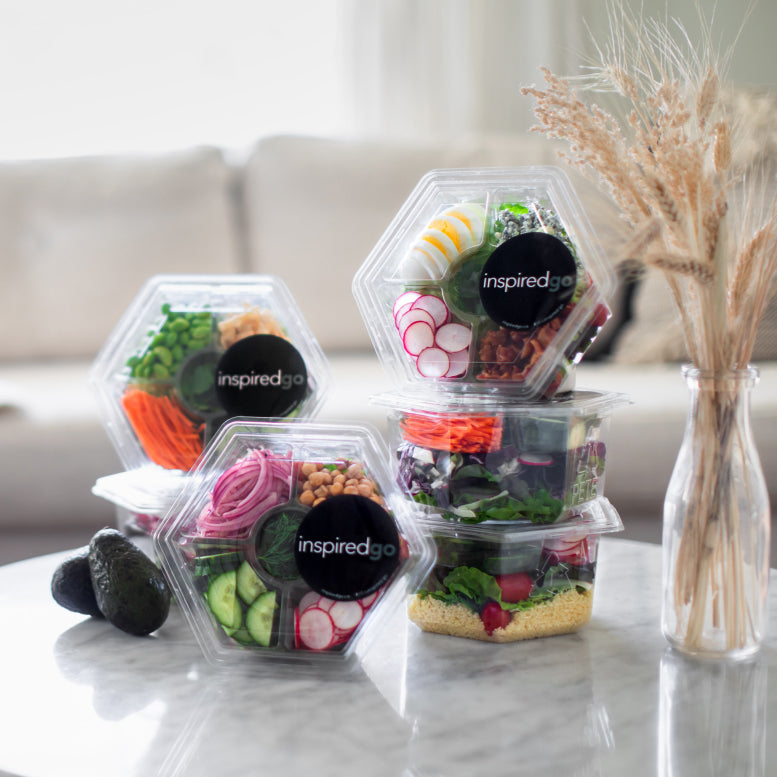
A truly high‑fiber salad is more than a bowl of greens, it’s a layered combination of ingredients that work together to nourish and sustain you. Leafy bases like kale or spinach provide a strong start, but adding legumes such as lentils or chickpeas dramatically boosts fiber content. Nuts, seeds, and ancient grains like farro or quinoa add density, crunch, and plant protein that balance flavor and nutrition. These components create a salad that’s both satisfying and functional, promoting better digestion and fullness without heaviness. When built with care, high‑fiber salads become complete, energizing meals perfect for lunch, dinner, or a quick recovery after activity. The best versions also offer variety, keeping your meals interesting and your gut nourished.
Choose your salads and schedule delivery →
3. How Can Fiber‑Rich Meals Improve Gut and Metabolic Health?
Fiber supports the gut’s microbiome, the ecosystem of good bacteria that affects everything from digestion to immune strength and metabolism. When you eat high‑fiber meals, you’re essentially feeding these beneficial microbes, helping them produce compounds that improve nutrient absorption and inflammation response. This process has a ripple effect, enhancing mood, skin clarity, and even sleep quality. Regular intake of fiber‑rich salads and bowls also helps the body manage weight naturally by promoting satiety and stabilizing blood sugar. Over time, this creates an internal environment that supports both digestive efficiency and metabolic wellness in a way quick fixes simply can’t. Real change starts when your gut gets the daily nourishment it needs to thrive.
Get fresh salads and snacks delivered →
4. Inspired Go’s Fresh, Fiber‑Rich Meals That Fit Your Lifestyle
At Inspired Go, we understand that nutrition should be easy, enjoyable, and effective. That’s why our high‑fiber salads and bowls are designed to help you meet your nutritional needs while saving time and reducing food waste. Each meal includes a curated mix of fiber‑rich ingredients that promote better digestion, balance blood sugar, and keep you feeling satisfied longer. Our commitment to freshness means every salad arrives crisp, flavorful, and ready to enjoy, no cooking required. With Inspired Go, getting your daily fiber isn’t a chore, it’s an effortless step toward better health, more energy, and a happier gut every day. We believe that functional eating should still feel indulgent, which is why every bite brings both nourishment and enjoyment. It's the kind of convenience that makes clean eating realistic even on your busiest days.
Try our fresh, ready-to-eat salads →
Frequently Asked Questions
A meal kit is a subscription-based service that delivers pre-portioned ingredients and recipes to your door, making cooking at home more convenient. Meal kits often include fresh produce, proteins, and spices tailored to a specific recipe, allowing users to prepare meals without the hassle of shopping or measuring. They cater to a variety of diets, such as vegetarian, gluten-free, or keto, and are ideal for busy individuals seeking homemade meals.
The best meal prep service depends on your dietary needs, budget, and convenience preferences. Some services focus on health-conscious options with balanced nutrients, while others provide gourmet recipes or family-sized portions. Key factors include menu variety, quality of ingredients, and delivery flexibility. Reading reviews and exploring trial offers can help you find the best fit for your lifestyle and taste preferences.
Meal prep services typically cost between $8 and $15 per serving, depending on the quality of ingredients and portion sizes. Premium services offering organic or specialty items may charge more. Weekly plans often range from $50 to $150 for 2–4 meals per week. While the cost may exceed grocery shopping, the convenience, reduced food waste, and time saved often make it worthwhile for many households.
Meal prep services save time and effort, eliminating the need for shopping, meal planning, and extensive preparation. They offer portion-controlled meals, helping with weight management and reducing food waste. For those with dietary restrictions, meal prep services provide curated options tailored to specific needs like vegan, gluten-free, or keto diets. This convenience supports healthier eating habits without compromising on taste or variety.
To select the right meal prep service, start by evaluating your dietary needs and budget. Consider services with flexible delivery schedules and customizable menus that align with your preferences. Look for transparent ingredient sourcing, especially if you prioritize organic or sustainable options. Reading customer reviews and testing trial plans can also help you identify a service that meets your quality and convenience expectations.


