
What Are Examples Of High Fiber Lunches?
Table of Contents
1. High Fiber Lunch Options for a Balanced Diet
2. What Makes a Meal High in Fiber?
3. How Can You Incorporate More Fiber Into Your Daily Routine?
4. How Inspired Go Makes Eating High‑Fiber Meals Effortless
1. High Fiber Lunch Options for a Balanced Diet
Embarking on a healthy eating journey often involves incorporating high fiber foods into your diet. Consuming fiber-rich meals, especially during lunch, can help maintain digestive health, control blood sugar levels, and keep you satiated for longer periods. Examples of high fiber lunches could include whole grain sandwiches filled with lean protein and plenty of veggies, a hearty lentil soup accompanied by a side of whole grain bread, or a refreshing quinoa salad tossed with assorted colorful vegetables. Buddha bowls, composed of a balanced mix of whole grains, protein, and vegetables, are another fiber-packed lunchtime favorite. For an even simpler option, try a baked sweet potato topped with black beans, salsa, and a dollop of Greek yogurt. Remember, incorporating a variety of foods not only ensures you get a mix of different nutrients, but also keeps your meals exciting and flavorful.
Order fresh salads today →

2. What Makes a Meal High in Fiber?
High‑fiber meals combine nutrient‑dense ingredients that provide bulk, promote satiety, and nourish digestion without relying on excess calories. The foundation typically includes vegetables, legumes, grains, and seeds, all rich in soluble and insoluble fiber that help regulate metabolism and maintain energy balance. Fiber doesn’t just aid digestion, it supports heart health, blood sugar stability, and overall gut function. Balanced meals built around whole, plant‑based ingredients like kale, chickpeas, lentils, and quinoa deliver an ideal mix of texture and nutrients for sustained satisfaction. By prioritizing diverse sources of fiber, you create meals that work with your body’s natural rhythm, supporting both fullness and digestive health long after you eat. And when these meals are easy to access, it becomes much easier to stick to a consistent, fiber-rich routine that keeps your body running efficiently.
Choose your salads and schedule delivery →
3. How Can You Incorporate More Fiber Into Your Daily Routine?
Adding more fiber doesn’t require overhauling your entire diet, it’s about making simple, consistent swaps that compound over time. Start by building meals around whole grains, legumes, and vegetables instead of refined ingredients. Choose salads and bowls loaded with beans, seeds, and cruciferous greens to elevate fiber content without extra prep. Even small changes, like swapping croutons for roasted chickpeas or adding quinoa to your lunch, can have a major impact on digestion and satiety. Many people find that when they prioritize fiber, cravings decrease naturally, and energy levels stay steady. By focusing on meal quality over restriction, fiber helps unlock sustainable wellness, without sacrificing taste or convenience.
Get fresh salads and snacks delivered →
4. How Inspired Go Makes Eating High‑Fiber Meals Effortless
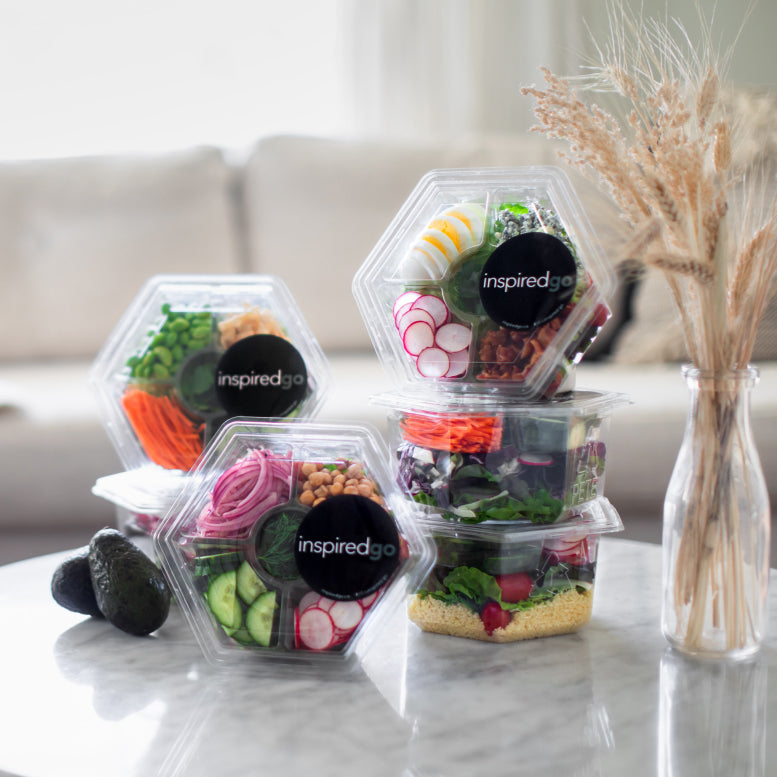
At Inspired Go, we make it simple to enjoy the benefits of high‑fiber meals without spending hours planning or prepping. Our ready‑to‑eat salads and bowls are carefully designed by chefs and nutritionists to deliver balanced nutrition with wholesome ingredients like lentils, quinoa, seeds, and leafy greens. Each meal is crafted to provide the perfect blend of fiber, protein, and freshness that fuels energy and supports digestion. Whether you’re at the office, home, or on the move, Inspired Go makes healthy eating as convenient as it is delicious. With every delivery, you’re getting fiber‑forward meals that nourish your gut and keep your energy steady all day long. Our recipes are crafted to fit modern lifestyles while never compromising on taste or nutrition. And because they stay fresh in the fridge, you’ll always have a satisfying, high-fiber option ready when hunger strikes.
Try our fresh, ready-to-eat salads →
Frequently Asked Questions
A meal kit is a subscription-based service that delivers pre-portioned ingredients and recipes to your door, making cooking at home more convenient. Meal kits often include fresh produce, proteins, and spices tailored to a specific recipe, allowing users to prepare meals without the hassle of shopping or measuring. They cater to a variety of diets, such as vegetarian, gluten-free, or keto, and are ideal for busy individuals seeking homemade meals.
The best meal prep service depends on your dietary needs, budget, and convenience preferences. Some services focus on health-conscious options with balanced nutrients, while others provide gourmet recipes or family-sized portions. Key factors include menu variety, quality of ingredients, and delivery flexibility. Reading reviews and exploring trial offers can help you find the best fit for your lifestyle and taste preferences.
Meal prep services typically cost between $8 and $15 per serving, depending on the quality of ingredients and portion sizes. Premium services offering organic or specialty items may charge more. Weekly plans often range from $50 to $150 for 2–4 meals per week. While the cost may exceed grocery shopping, the convenience, reduced food waste, and time saved often make it worthwhile for many households.
Meal prep services save time and effort, eliminating the need for shopping, meal planning, and extensive preparation. They offer portion-controlled meals, helping with weight management and reducing food waste. For those with dietary restrictions, meal prep services provide curated options tailored to specific needs like vegan, gluten-free, or keto diets. This convenience supports healthier eating habits without compromising on taste or variety.
To select the right meal prep service, start by evaluating your dietary needs and budget. Consider services with flexible delivery schedules and customizable menus that align with your preferences. Look for transparent ingredient sourcing, especially if you prioritize organic or sustainable options. Reading customer reviews and testing trial plans can also help you identify a service that meets your quality and convenience expectations.