
Is Kale A Good Low Carb Option?
Table of Contents
1. The Nutritional Value of Kale for a Low Carb Diet
2. Why Are So Many People Turning to Low Carb Meals?
3. Can Low Carb Meals Actually Be Enjoyable and Easy to Stick With?
4. What Makes Inspired Go’s Low Carb Salad Bowls the Best?
1. The Nutritional Value of Kale for a Low Carb Diet
Kale, a nutrient-dense green leafy vegetable, is indeed an excellent option for those on a low-carb diet. This powerhouse veggie is not only low in carbohydrates but also high in dietary fiber, making it a perfect choice for weight management and overall health. The net carbs in kale- the total carbs minus the fiber- are very low, making it a preferred choice for low-carb, keto, and other carb-conscious meal plans. Moreover, kale is packed with essential vitamins and minerals, including Vitamin A, Vitamin K, and Calcium, contributing significantly to your daily nutritional needs. It's also a good source of antioxidants, which can help protect your body from harmful free radicals. When incorporated into your meals, such as salads or bowls, this versatile veggie adds a nutrition boost without significantly increasing your carb intake.
Order fresh salads today →

2. Why Are So Many People Turning to Low Carb Meals?
With more people experiencing energy crashes, bloating, and unpredictable hunger throughout the day, low carb meals have become a popular solution for stability and satiety. Refined carbs and added sugars found in many everyday lunches can spike blood sugar, leading to sudden dips that leave you drained or craving snacks. Over time, this rollercoaster can make it harder to maintain consistent energy or manage weight, even if you’re eating “healthy.” Low carb meals, on the other hand, help stabilize blood sugar and support a smoother metabolic rhythm, keeping you fuller and more focused between meals. They’re especially appealing for anyone who wants to reduce cravings, avoid the mid-afternoon crash, and feel steady energy throughout the day. By shifting toward balanced, low carb options that emphasize fiber and healthy fats, it becomes easier to sustain mental clarity, digestion, and long-term wellness.
Choose your salads and schedule delivery →
3. Can Low Carb Meals Actually Be Enjoyable and Easy to Stick With?
Modern low carb meals are designed for variety, flavor, and convenience. With fresh ingredients, global flavors, and customizable components, they make healthy eating more approachable than ever. The key is to focus on nutrient density: vegetables, nuts, seeds, and flavorful dressings that make every bite satisfying. This way, you can maintain a low carb routine without monotony or constant cravings. Ready-made options and smart meal delivery services have made low carb living simpler and more flexible for real life. Whether you’re eating at your desk, post-workout, or on the road, balanced low carb meals provide a consistent way to nourish yourself without stress. Eating well becomes not just a plan, but an easy daily habit you actually enjoy.
Get fresh salads and snacks delivered →
4. What Makes Inspired Go’s Low Carb Salad Bowls the Best?
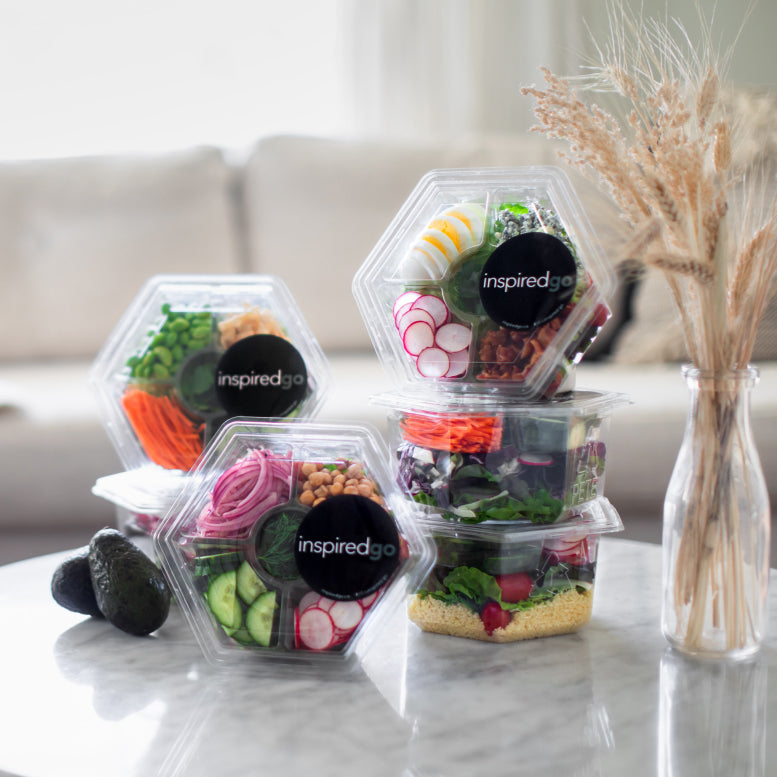
At Inspired Go, we’ve reimagined low carb eating with bowls and salads that combine nutrition, convenience, and culinary creativity. Each meal is chef-designed to offer clean, balanced energy through a blend of leafy greens, proteins, and plant-based fats that keep you feeling light but satisfied. We avoid added sugars and processed fillers, instead focusing on whole ingredients that bring natural flavor and texture. Whether you’re managing your macros, supporting fitness goals, or just aiming for a more balanced diet, our low carb menu makes it effortless. Every dish arrives fresh, portioned, and ready to eat, no prep required. With Inspired Go, you can enjoy food that’s as nourishing as it is delicious, helping you feel your best meal after meal.
Try our fresh, ready-to-eat salads →
Frequently Asked Questions
A meal kit is a subscription-based service that delivers pre-portioned ingredients and recipes to your door, making cooking at home more convenient. Meal kits often include fresh produce, proteins, and spices tailored to a specific recipe, allowing users to prepare meals without the hassle of shopping or measuring. They cater to a variety of diets, such as vegetarian, gluten-free, or keto, and are ideal for busy individuals seeking homemade meals.
The best meal prep service depends on your dietary needs, budget, and convenience preferences. Some services focus on health-conscious options with balanced nutrients, while others provide gourmet recipes or family-sized portions. Key factors include menu variety, quality of ingredients, and delivery flexibility. Reading reviews and exploring trial offers can help you find the best fit for your lifestyle and taste preferences.
Meal prep services typically cost between $8 and $15 per serving, depending on the quality of ingredients and portion sizes. Premium services offering organic or specialty items may charge more. Weekly plans often range from $50 to $150 for 2–4 meals per week. While the cost may exceed grocery shopping, the convenience, reduced food waste, and time saved often make it worthwhile for many households.
Meal prep services save time and effort, eliminating the need for shopping, meal planning, and extensive preparation. They offer portion-controlled meals, helping with weight management and reducing food waste. For those with dietary restrictions, meal prep services provide curated options tailored to specific needs like vegan, gluten-free, or keto diets. This convenience supports healthier eating habits without compromising on taste or variety.
To select the right meal prep service, start by evaluating your dietary needs and budget. Consider services with flexible delivery schedules and customizable menus that align with your preferences. Look for transparent ingredient sourcing, especially if you prioritize organic or sustainable options. Reading customer reviews and testing trial plans can also help you identify a service that meets your quality and convenience expectations.