
How Much Fiber Should Be In A Meal?
Table of Contents
1. Understanding Dietary Fiber: Importance and Recommended Intake
2. What Makes a Meal High in Fiber?
3. How Do High‑Fiber Meals Contribute to Long‑Term Energy?
4. How Inspired Go Helps You Reach Your Daily Fiber Goals
1. Understanding Dietary Fiber: Importance and Recommended Intake
Dietary fiber is an essential component of a balanced diet, contributing to digestive health, weight management, and reduced risk of chronic diseases. The recommended dietary fiber intake varies based on age and gender. According to the American Dietetic Association, women should aim for 25 grams of fiber per day, while men should aim for 38 grams. However, these numbers can fluctuate depending on an individual's overall diet and health conditions. It's important to remember that not all meals need to contain the full daily fiber intake. Instead, fiber should be distributed throughout the day across various meals and snacks to maintain a steady absorption rate. Foods rich in fiber include fruits, vegetables, whole grains, and legumes. Incorporating a variety of these foods into your daily diet can help you meet your fiber goals while also providing a range of other nutrients.
Order fresh salads today →

2. What Makes a Meal High in Fiber?
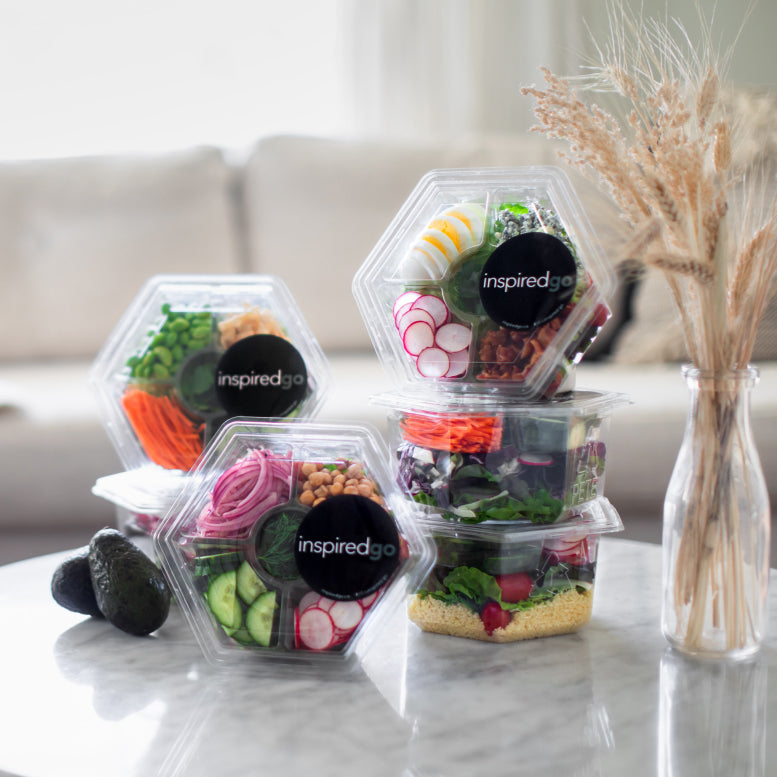
High‑fiber meals combine nutrient‑dense ingredients that provide bulk, promote satiety, and nourish digestion without relying on excess calories. The foundation typically includes vegetables, legumes, grains, and seeds, all rich in soluble and insoluble fiber that help regulate metabolism and maintain energy balance. Fiber doesn’t just aid digestion, it supports heart health, blood sugar stability, and overall gut function. Balanced meals built around whole, plant‑based ingredients like kale, chickpeas, lentils, and quinoa deliver an ideal mix of texture and nutrients for sustained satisfaction. By prioritizing diverse sources of fiber, you create meals that work with your body’s natural rhythm, supporting both fullness and digestive health long after you eat. And when these meals are easy to access, it becomes much easier to stick to a consistent, fiber-rich routine that keeps your body running efficiently.
Choose your salads and schedule delivery →
3. How Do High‑Fiber Meals Contribute to Long‑Term Energy?
High‑fiber meals are the unsung heroes of consistent, long‑lasting energy. Because fiber slows down digestion, it creates a gradual release of glucose into the bloodstream, preventing the spikes and crashes that come with processed foods. Meals rich in whole vegetables, grains, and legumes keep you powered through workdays, workouts, and everything in between. Over time, this steady energy supports better focus and fewer cravings, making healthy eating sustainable. When combined with hydration and balanced macros, fiber‑rich meals can help you feel energized without the afternoon slump. That’s why fiber isn’t just about digestion, it’s central to maintaining steady fuel for your brain and body all day long.
Get fresh salads and snacks delivered →
4. How Inspired Go Helps You Reach Your Daily Fiber Goals
Most people struggle to meet their daily fiber needs, but Inspired Go makes it effortless. Our chef‑crafted salads and mealbowls arenaturally high in fiber thanks to premium ingredients like kale, chickpeas, lentils, and sunflower seeds. Each recipe is portioned for balance, providing just the right amount of fiber to support digestion and metabolism without feeling heavy. We handle the prep, so you can focus on eating well and feeling great. With Inspired Go, you’re not just getting a meal, you’re getting a fiber‑focused experience that supports your health from the inside out. Every bowl is a step toward better digestion, smoother energy, and a more resilient gut. And with rotating seasonal recipes, your fiber intake stays exciting and satisfying all year round.
Try our fresh, ready-to-eat salads →
Frequently Asked Questions
A meal kit is a subscription-based service that delivers pre-portioned ingredients and recipes to your door, making cooking at home more convenient. Meal kits often include fresh produce, proteins, and spices tailored to a specific recipe, allowing users to prepare meals without the hassle of shopping or measuring. They cater to a variety of diets, such as vegetarian, gluten-free, or keto, and are ideal for busy individuals seeking homemade meals.
The best meal prep service depends on your dietary needs, budget, and convenience preferences. Some services focus on health-conscious options with balanced nutrients, while others provide gourmet recipes or family-sized portions. Key factors include menu variety, quality of ingredients, and delivery flexibility. Reading reviews and exploring trial offers can help you find the best fit for your lifestyle and taste preferences.
Meal prep services typically cost between $8 and $15 per serving, depending on the quality of ingredients and portion sizes. Premium services offering organic or specialty items may charge more. Weekly plans often range from $50 to $150 for 2–4 meals per week. While the cost may exceed grocery shopping, the convenience, reduced food waste, and time saved often make it worthwhile for many households.
Meal prep services save time and effort, eliminating the need for shopping, meal planning, and extensive preparation. They offer portion-controlled meals, helping with weight management and reducing food waste. For those with dietary restrictions, meal prep services provide curated options tailored to specific needs like vegan, gluten-free, or keto diets. This convenience supports healthier eating habits without compromising on taste or variety.
To select the right meal prep service, start by evaluating your dietary needs and budget. Consider services with flexible delivery schedules and customizable menus that align with your preferences. Look for transparent ingredient sourcing, especially if you prioritize organic or sustainable options. Reading customer reviews and testing trial plans can also help you identify a service that meets your quality and convenience expectations.


