
High Fiber Salad Dressing Ideas
Table of Contents
1. Exploring High Fiber Salad Dressing Ideas for Nutritious Meals
2. High Fiber Salad Meals for Weight Management and Digestive Health
3. The Benefits of Prepping High Fiber Salads for the Week Ahead
4. The Best High Fiber Salads at Inspired Go
1. Exploring High Fiber Salad Dressing Ideas for Nutritious Meals
Imagine adding an extra layer of health benefits to your salads with a simple twist - a high fiber salad dressing. This innovative approach to meal preparation not only enhances the flavor of your salads but also amplifies the nutritional value by incorporating fiber-rich ingredients. High fiber salad dressings can be a game-changer for health-conscious individuals, adding an extra dose of dietary fiber to your meals. Dietary fiber is known to aid digestion, promote feelings of fullness, and contribute to heart health. From dressings made with avocado, chia seeds, or lentils to those incorporating whole grain mustards or fiber-rich fruits, the possibilities are endless. Incorporating such dressings into your diet can be a seamless way to promote balanced nutrition while enjoying your favorite salads and bowls. Whether you prefer your dressings tangy, sweet, creamy, or spicy, there's a high fiber version waiting to elevate your meal while contributing to your daily fiber intake.
Order fresh salads today →
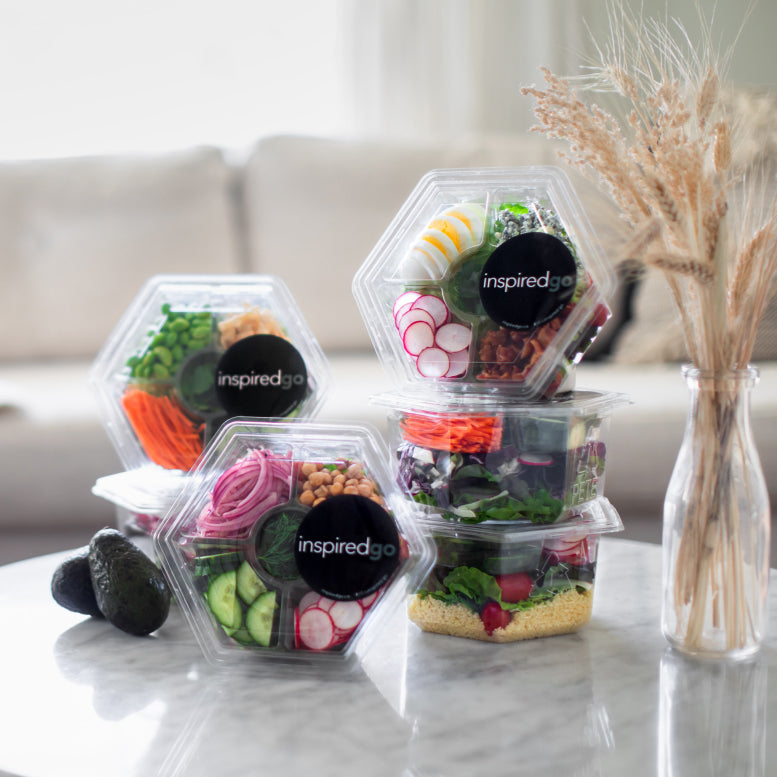

2. High Fiber Salad Meals for Weight Management and Digestive Health
Salads centered around fiber-rich ingredients are especially effective for supporting weight balance and digestive comfort. Fiber increases the volume of meals without adding excess calories, which helps control portion sizes naturally while improving satiety. Ingredients like beans, lentils, dark leafy greens, and seeds slow digestion and promote a steady release of energy, making them ideal for anyone managing appetite or blood sugar. At the same time, fiber feeds beneficial gut bacteria, supporting microbiome health and reducing bloating over time. These meals help curb cravings by keeping you fuller longer, which makes it easier to avoid excessive snacking and emotional eating. When included consistently, high fiber salads become a reliable foundation for digestive wellness and weight support.
Choose your salads and schedule delivery →
3. The Benefits of Prepping High Fiber Salads for the Week Ahead
Preparing high fiber salads in advance creates the structure needed to support healthier eating choices throughout the week. Salad staples like grains, beans, and lentils can be mixed and matched into different combinations, keeping each meal interesting while streamlining your prep. This approach not only saves time but ensures your fiber intake stays consistent, which supports digestion, metabolism, and energy regulation. With satisfying, fiber-packed meals already prepared and stored, it becomes easier to avoid skipped lunches or rushed dinners that lack nutritional balance. These prepped salads also reduce your dependence on takeout or processed convenience foods. Over time, this style of meal planning builds a routine that feels sustainable, empowering you to stay on track even during your busiest days.
Get fresh salads and snacks delivered →
4. The Best High Fiber Salads at Inspired Go
Inspired Go makes it easier than ever to eat well with chef-prepared high fiber salads that are ready to enjoy whenever you are. Each bowl is thoughtfully composed with ingredients like lentils, quinoa, chickpeas, roasted vegetables, and leafy greens, offering a natural, delicious source of dietary fiber that supports digestion, fullness, and blood sugar balance. Our recipes are backed by nutritionists and designed for real life, helping you avoid the guesswork and prep that often gets in the way of healthy eating. Whether you’re powering through a busy day or looking to nourish your body without added stress, our high fiber meals deliver the energy, satisfaction, and balance your routine needs. With each delivery, you’re choosing convenience without compromise and supporting habits that truly make a difference.
Try our fresh, ready-to-eat salads →
Frequently Asked Questions
The most nutritious salad greens are dark leafy varieties like spinach, kale, and arugula. These greens are packed with essential vitamins, including A, C, and K, as well as minerals like calcium and iron. Kale is particularly rich in antioxidants, while spinach offers significant amounts of folate and magnesium. Choosing a mix of dark greens enhances both the flavor and nutritional value of your salad.
A healthy salad includes a balance of nutrient-dense ingredients like leafy greens, fresh vegetables, lean proteins, and healthy fats. For example, a base of spinach and kale, paired with grilled chicken, cherry tomatoes, avocado, and a light olive oil dressing, creates a wholesome meal. Avoid fried toppings or sugary dressings, as they add empty calories, and opt for natural ingredients to maximize nutrition.
Yes, eating salad daily is a healthy habit when it includes a variety of fresh, nutrient-rich ingredients. Salads offer fiber for digestion, antioxidants for immunity, and essential nutrients like potassium and folate. Regularly eating salads can support weight management and improve energy levels. To avoid monotony, vary your greens, proteins, and toppings to keep meals satisfying and nutritionally balanced.
Healthy salad dressings are typically made with simple, natural ingredients. Olive oil-based dressings, paired with balsamic vinegar or fresh lemon juice, provide healthy fats and enhance flavor without unnecessary calories. Avoid store-bought dressings with high sugar or preservatives. For a creamy alternative, opt for homemade dressings using Greek yogurt or avocado for added nutritional benefits.
Yes, salads are incredibly beneficial for overall health when prepared with fresh, whole ingredients. They are low in calories and high in vitamins, minerals, and antioxidants, supporting heart health, digestion, and immunity. Adding a mix of proteins and healthy fats creates a satisfying, nutrient-dense meal. Regularly incorporating salads into your diet can promote long-term well-being and energy.