
Gluten Free Meals Vegetarian
Table of Contents
1. Embracing Healthful Eating with Gluten-Free Vegetarian Meals
2. Creating Consistency Without Complication
3. Making Gluten-Free Eating Enjoyable
4. Inspired Go: Fresh, Balanced, and 100% Gluten-Free
1. Embracing Healthful Eating with Gluten-Free Vegetarian Meals
Indulging in a lifestyle that prioritizes health and wellness is now more convenient than ever with our selection of gluten-free vegetarian meals. Each meal is thoughtfully curated to provide a balance of nutrients while satisfying diverse palate preferences. With options ranging from refreshing salads to hearty dinner bowls, eating healthily need not be a challenge. We understand that everyone's dietary needs and preferences are unique, hence our commitment to offering a wide array of options. Our gluten-free vegetarian meals are not only delicious but also nutritionally balanced, making them perfect for those seeking to maintain a healthy lifestyle. Made with locally sourced ingredients and inspired by chef-crafted recipes, each meal is prepared to promote healthier eating habits. Our ready-to-eat meals save you the time and effort of meal preparation without compromising on taste or nutrition. Moreover, our commitment to reducing food waste and using recyclable packaging aligns perfectly with a conscious lifestyle choice. Try our gluten-free vegetarian meals today and discover the simple joy of healthful eating.
Order fresh salads today →

2. Creating Consistency Without Complication
Like any health-focused routine, the real key to long-term success with a gluten-free diet is consistency. And consistency becomes far more achievable when friction is removed. That means no more separate shopping lists, no more decoding ingredient names, and no more spending hours in the kitchen every Sunday. Having access to gluten-free meals that are clearly labeled, thoughtfully portioned, and made with whole ingredients helps eliminate the guesswork that can wear people down. You get the structure you need without the stress that often comes with maintaining a special diet. Whether your goal is to avoid gluten out of medical necessity or for general wellness, what matters most is building a daily rhythm that doesn’t feel burdensome. Meals that align with your values and your schedule give you the freedom to focus on living your life—not managing your food. That’s when gluten-free eating really starts to stick.
Choose your salads and schedule delivery →
3. Making Gluten-Free Eating Enjoyable
There’s a growing understanding that gluten-free eating can—and should—be enjoyable. Gone are the days of dry gluten-free bread and bland, one-note meals. With better ingredients and a shift toward whole food cooking, the gluten-free world is now bursting with variety and creativity. Think roasted veggie bowls with bold dressings, hearty salads with nuts and grains, or savoury soups packed with protein and herbs. What makes it all work is balance: meals that combine texture, flavour, and nutrients in ways that leave you satisfied. Enjoyment matters because it drives consistency. When meals are craveable and convenient, gluten-free eating becomes something you look forward to, not something you "have" to do. That’s the difference between a short-term diet and a lasting lifestyle. It’s proof that you don’t have to compromise on taste or convenience to support your health.
Get fresh salads and snacks delivered →
4. Inspired Go: Fresh, Balanced, and 100% Gluten-Free
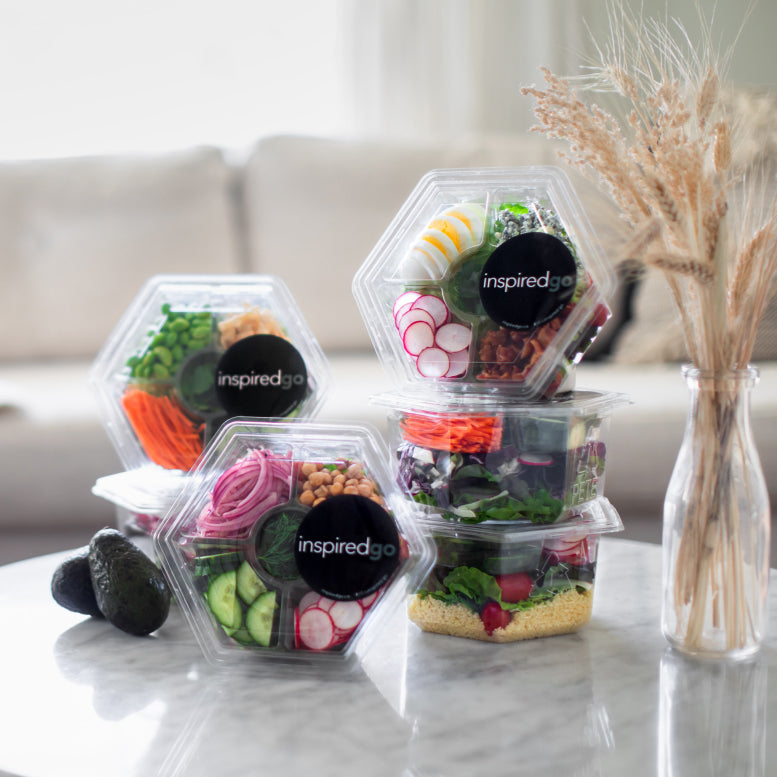
Inspired Go is here to redefine what gluten-free meals can be: simple, vibrant, and full of real, satisfying ingredients. We create dishes that celebrate naturally gluten-free foods—from leafy greens and roasted veggies to protein-rich legumes and our signature dressings—so you never feel like you're missing out. No complicated prep, no label-scanning, just food that tastes good and makes you feel great. With weekly delivery and a rotating menu, you can keep your fridge stocked with meals you can rely on, no matter how packed your schedule is. Whether you’re after better digestion, more energy, or just meals that check every box, Inspired Go is your shortcut to gluten-free done right. All the flavour, none of the stress—that’s our kind of meal plan.
Try our fresh, ready-to-eat salads →
Frequently Asked Questions
A vegetarian diet focuses on plant-based foods, eliminating meat, poultry, and fish while including fruits, vegetables, grains, legumes, nuts, and seeds. Depending on the type of vegetarianism, it may also include animal-derived products like dairy and eggs. Popular variations include lacto-ovo vegetarian (includes eggs and dairy) and lacto-vegetarian (excludes eggs but includes dairy). The diet is often chosen for ethical, environmental, or health reasons and supports a nutrient-dense lifestyle when properly balanced.
Vegetarian foods include a wide variety of plant-based options like fruits, vegetables, whole grains, legumes, nuts, and seeds. Dairy products such as milk, cheese, and yogurt, as well as eggs, are included in lacto-ovo vegetarian diets. Vegetarian-friendly dishes range from hearty grain bowls and vegetable curries to pasta, soups, and salads. Many processed foods, such as chips or baked goods, can also be vegetarian, though reading labels is key to avoiding hidden animal-based ingredients.
Yes, many vegetarians eat eggs, depending on their dietary preference. Those following a lacto-ovo vegetarian diet include both eggs and dairy products, while lacto-vegetarians exclude eggs but consume dairy. Eggs are an excellent source of protein, vitamins, and minerals, making them a valuable addition to a vegetarian diet. However, vegans avoid eggs entirely, as their diet excludes all animal-derived products, including dairy and honey.
Vegetarians can meet their protein needs by incorporating a variety of plant-based and animal-free sources. Protein-rich options include legumes (lentils, chickpeas, black beans), tofu, tempeh, nuts, seeds, and whole grains like quinoa. For those who consume dairy and eggs, options like Greek yogurt, cheese, and eggs provide additional high-quality protein. Combining different plant proteins, such as rice and beans, ensures a complete amino acid profile, supporting muscle repair and overall health.
Yes, eggs and cheese are allowed on a lacto-ovo vegetarian diet, which includes both dairy products and eggs alongside plant-based foods. These ingredients are excellent sources of protein, calcium, and other essential nutrients. Lacto-vegetarians exclude eggs but include cheese and other dairy products. Vegans, however, do not consume eggs, cheese, or any other animal-derived products, focusing solely on plant-based foods and alternatives.