
Do Low Calorie Meals Include Vegetarian Options?
Table of Contents
1. Vegetarian Selection in Low Calorie Meal Range
2. What Are the Benefits of Eating Low-Calorie Meals?
3. How Do Delivery Services Keep Low-Calorie Meals Fresh?
4. How Does Inspired Go Make Low-Calorie Eating Easy?
1. Vegetarian Selection in Low Calorie Meal Range
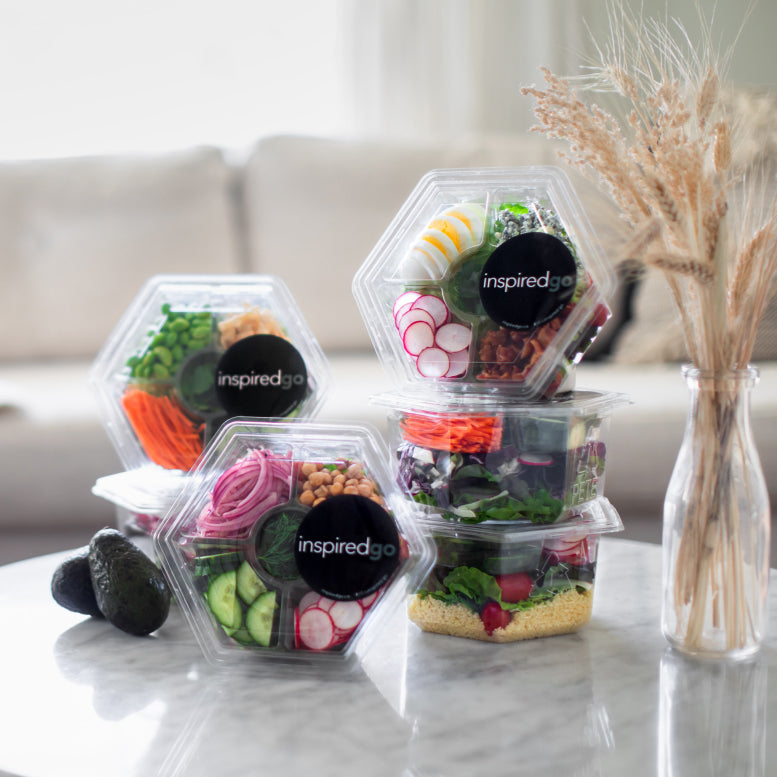
Inspired Go is proud to cater to a variety of dietary preferences, including vegetarianism. Our range of low calorie meals features numerous vegetarian options, each meticulously crafted to provide balanced nutrition without compromising on taste. By incorporating a colorful array of vegetables, fruits, grains, and plant-based proteins, these meals deliver all the essential nutrients your body needs while keeping calorie content in check. These meals are not only healthful and satisfying but also help in maintaining a balanced diet. Our vegetarian meal options are a testament to our commitment to making healthy eating accessible and enjoyable for everyone.
Order fresh salads today →

2. What Are the Benefits of Eating Low-Calorie Meals?
Low-calorie meals support weight loss and weight maintenance by creating a manageable calorie deficit without nutrient deprivation. Salads play a major role in this approach, providing a high volume of food for fewer calories while delivering vitamins, fiber, and antioxidants that boost overall health. A diet lower in excess fats and sugars can also improve cardiovascular health, lower blood pressure, and reduce the risk of chronic diseases over time. Beyond physical benefits, consuming low-calorie, nutrient-dense salads can improve mood and mental focus by avoiding the sluggishness that follows heavy, high-calorie meals. Low-calorie meal delivery services ensure that every dish is portion-controlled, making it easier to avoid overeating or relying on guesswork when tracking calories.
Choose your salads and schedule delivery →
3. How Do Delivery Services Keep Low-Calorie Meals Fresh?
Freshness is key to both taste and nutrition, and salad delivery services prioritize it from sourcing to packaging. Ingredients are selected for their quality and are often locally sourced to ensure minimal time from farm to kitchen. Salads are prepared in controlled environments, washed, and chopped just before being packed to lock in flavor and nutrients. Temperature-controlled packaging keeps greens crisp, proteins tender, and dressings fresh until you’re ready to eat. This process avoids the need for preservatives while ensuring food safety during transit. Detailed labeling with “best by” dates and storage instructions makes it easy for customers to enjoy salads at their peak. With these measures in place, every low-calorie meal arrives as fresh and vibrant as if it were made just moments before delivery.
Get fresh salads and snacks delivered →
4. How Does Inspired Go Make Low-Calorie Eating Easy?
At Inspired Go, we believe healthy eating shouldn’t feel complicated or bland. Our low-calorie salads are crafted by expert chefs and dietitians to provide the perfect balance of flavor, texture, and nutrients while staying within your calorie goals. Each dish combines crisp greens, colorful vegetables, lean proteins, and wholesome grains in thoughtfully portioned servings. We make calorie tracking effortless by providing transparent nutritional information on every salad. Delivered fresh to your home or office, our salads remove the stress of grocery shopping, prepping, and cooking. Whether you’re looking to manage weight or simply eat lighter, Inspired Go makes low-calorie eating fresh, delicious, and completely hassle-free.
Try our fresh, ready-to-eat salads →
Frequently Asked Questions
A vegetarian diet focuses on plant-based foods, eliminating meat, poultry, and fish while including fruits, vegetables, grains, legumes, nuts, and seeds. Depending on the type of vegetarianism, it may also include animal-derived products like dairy and eggs. Popular variations include lacto-ovo vegetarian (includes eggs and dairy) and lacto-vegetarian (excludes eggs but includes dairy). The diet is often chosen for ethical, environmental, or health reasons and supports a nutrient-dense lifestyle when properly balanced.
Vegetarian foods include a wide variety of plant-based options like fruits, vegetables, whole grains, legumes, nuts, and seeds. Dairy products such as milk, cheese, and yogurt, as well as eggs, are included in lacto-ovo vegetarian diets. Vegetarian-friendly dishes range from hearty grain bowls and vegetable curries to pasta, soups, and salads. Many processed foods, such as chips or baked goods, can also be vegetarian, though reading labels is key to avoiding hidden animal-based ingredients.
Yes, many vegetarians eat eggs, depending on their dietary preference. Those following a lacto-ovo vegetarian diet include both eggs and dairy products, while lacto-vegetarians exclude eggs but consume dairy. Eggs are an excellent source of protein, vitamins, and minerals, making them a valuable addition to a vegetarian diet. However, vegans avoid eggs entirely, as their diet excludes all animal-derived products, including dairy and honey.
Vegetarians can meet their protein needs by incorporating a variety of plant-based and animal-free sources. Protein-rich options include legumes (lentils, chickpeas, black beans), tofu, tempeh, nuts, seeds, and whole grains like quinoa. For those who consume dairy and eggs, options like Greek yogurt, cheese, and eggs provide additional high-quality protein. Combining different plant proteins, such as rice and beans, ensures a complete amino acid profile, supporting muscle repair and overall health.
Yes, eggs and cheese are allowed on a lacto-ovo vegetarian diet, which includes both dairy products and eggs alongside plant-based foods. These ingredients are excellent sources of protein, calcium, and other essential nutrients. Lacto-vegetarians exclude eggs but include cheese and other dairy products. Vegans, however, do not consume eggs, cheese, or any other animal-derived products, focusing solely on plant-based foods and alternatives.


