
Are Vegetarian Meals Good For Lunch?
Table of Contents
1. Exploring the Benefits of Vegetarian Meals for Lunch
2. Is Being Vegetarian Healthy?
3. How Does a Vegetarian Diet Support Heart Health?
4. Why Are Pre-Portioned Vegetarian Meals Beneficial?
1. Exploring the Benefits of Vegetarian Meals for Lunch
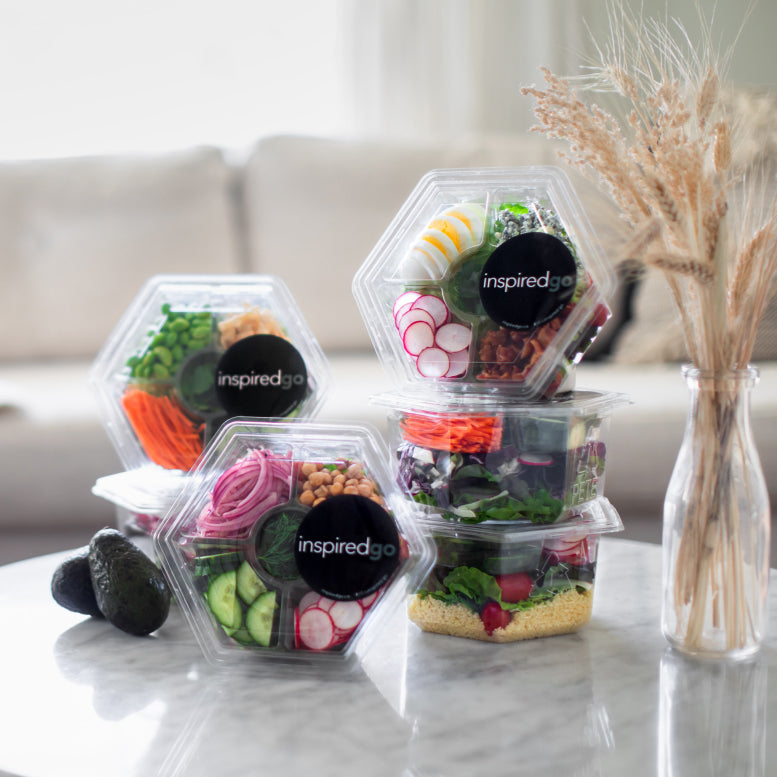
Adding a vegetarian meal to your lunch routine can bring numerous health benefits. Regular consumption of these meals often means a higher intake of fiber, antioxidants, and beneficial plant compounds. Vegetarian meals are associated with reduced risk of chronic diseases due to their low saturated fat and cholesterol content. Not only does the selection of our vegetarian salads and bowls serve up a diverse range of nutrients, but they also offer unique flavors and textures to keep your lunch exciting and satisfying. Our vegetarian meals, like the Classic Fattoush Salad or Roasted Fall Bowl, are crafted with locally sourced ingredients and inspired by gourmet recipes. They are not only packed with essential nutrients but also designed to satisfy your taste buds. This winning combination of health and flavor makes our vegetarian meals a perfect choice for lunch.
Order fresh salads today →

2. Is Being Vegetarian Healthy?
A well-planned vegetarian diet is widely regarded as one of the healthiest eating patterns, offering benefits such as improved digestion, reduced risk of chronic diseases, and enhanced energy levels. When balanced properly, vegetarian diets provide essential vitamins, minerals, fiber, and plant-based proteins. Vegetarian meal delivery services play a key role in maintaining this balance by offering pre-prepared meals crafted by nutrition experts. Meals include nutrient-dense ingredients such as leafy greens, whole grains, and plant proteins to ensure optimal health outcomes. Transparent nutritional labeling allows customers to monitor their intake and ensure they meet their dietary needs. With convenient meal deliveries, vegetarian meal services make healthy eating achievable, even for those with busy schedules.
Choose your salads and schedule delivery →
3. How Does a Vegetarian Diet Support Heart Health?
A vegetarian diet is known for its cardiovascular benefits, including reduced cholesterol levels, lower blood pressure, and decreased inflammation. Vegetarian meal delivery services prioritize heart-healthy ingredients like leafy greens, whole grains, nuts, seeds, and olive oil in their pre-prepared meals. These ingredients are rich in fiber, antioxidants, and essential fatty acids, which contribute to improved heart health. Subscription services ensure consistent access to balanced meals, eliminating reliance on unhealthy or processed foods. Transparent nutritional labeling provides clarity on sodium, fat, and calorie content, allowing customers to make informed choices. Vegetarian meal delivery supports long-term heart health with structured, nutrient-dense meal plans.
Get fresh salads and snacks delivered →
4. Why Are Pre-Portioned Vegetarian Meals Beneficial?
Inspired Go’s pre-portioned vegetarian meals are designed to simplify balanced eating by offering consistent portion sizes and nutritional transparency. Each meal is crafted with optimal ratios of proteins, carbohydrates, and healthy fats, ensuring customers receive balanced nutrition in every serving. Portion control prevents overeating and reduces food waste, making it easier to maintain dietary goals. Subscription models provide regular deliveries, ensuring customers have continuous access to ready-to-eat, nutrient-dense vegetarian meals. With detailed calorie and macronutrient labeling, customers can monitor their intake accurately. Inspired Go combines precision, balance, and convenience in every meal, supporting sustainable and health-focused dietary habits.
Try our fresh, ready-to-eat salads →
Frequently Asked Questions
A vegetarian diet focuses on plant-based foods, eliminating meat, poultry, and fish while including fruits, vegetables, grains, legumes, nuts, and seeds. Depending on the type of vegetarianism, it may also include animal-derived products like dairy and eggs. Popular variations include lacto-ovo vegetarian (includes eggs and dairy) and lacto-vegetarian (excludes eggs but includes dairy). The diet is often chosen for ethical, environmental, or health reasons and supports a nutrient-dense lifestyle when properly balanced.
Vegetarian foods include a wide variety of plant-based options like fruits, vegetables, whole grains, legumes, nuts, and seeds. Dairy products such as milk, cheese, and yogurt, as well as eggs, are included in lacto-ovo vegetarian diets. Vegetarian-friendly dishes range from hearty grain bowls and vegetable curries to pasta, soups, and salads. Many processed foods, such as chips or baked goods, can also be vegetarian, though reading labels is key to avoiding hidden animal-based ingredients.
Yes, many vegetarians eat eggs, depending on their dietary preference. Those following a lacto-ovo vegetarian diet include both eggs and dairy products, while lacto-vegetarians exclude eggs but consume dairy. Eggs are an excellent source of protein, vitamins, and minerals, making them a valuable addition to a vegetarian diet. However, vegans avoid eggs entirely, as their diet excludes all animal-derived products, including dairy and honey.
Vegetarians can meet their protein needs by incorporating a variety of plant-based and animal-free sources. Protein-rich options include legumes (lentils, chickpeas, black beans), tofu, tempeh, nuts, seeds, and whole grains like quinoa. For those who consume dairy and eggs, options like Greek yogurt, cheese, and eggs provide additional high-quality protein. Combining different plant proteins, such as rice and beans, ensures a complete amino acid profile, supporting muscle repair and overall health.
Yes, eggs and cheese are allowed on a lacto-ovo vegetarian diet, which includes both dairy products and eggs alongside plant-based foods. These ingredients are excellent sources of protein, calcium, and other essential nutrients. Lacto-vegetarians exclude eggs but include cheese and other dairy products. Vegans, however, do not consume eggs, cheese, or any other animal-derived products, focusing solely on plant-based foods and alternatives.