
Are There Diet Meals With No Cooking Required?
Table of Contents
1. Simplifying Healthy Eating with Ready-to-Eat Meals
2. How to Eat Healthy for Weight Loss?
3. How Can Personalized Meal Planning Support Weight Loss?
4. How Can a Balanced Diet Improve Your Energy Levels?
1. Simplifying Healthy Eating with Ready-to-Eat Meals
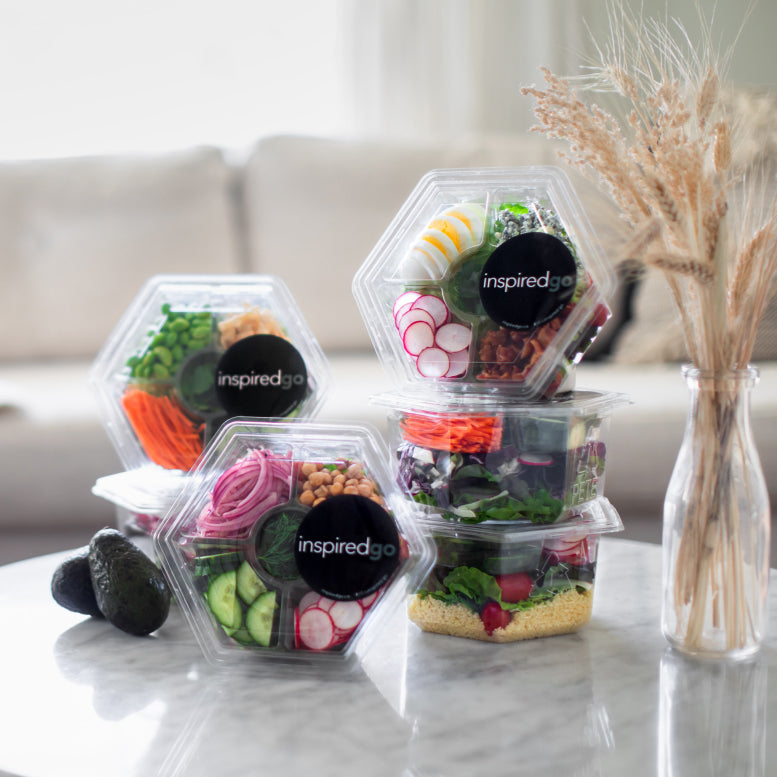
The journey towards a healthier lifestyle can often seem daunting, particularly when it involves preparing and cooking meals daily. However, the emergence of ready-to-eat meal delivery services has made this process easier, more convenient, and enjoyable. These services offer meticulously crafted meals that are not only nutritionally balanced but also bursting with flavor, eliminating the need for cooking. This new approach to dining is perfect for individuals seeking to maintain a balanced diet but lack the time or skills to prepare meals from scratch. The convenience of these services extends beyond just meal prep; they offer doorstep delivery, saving you time and energy that could be utilized elsewhere. Additionally, these meals are prepared with fresh, locally sourced ingredients, ensuring you get the most nutritionally rich meals possible. Furthermore, by opting for this service, you contribute to reducing food waste, as these companies typically use precise portions to avoid excess.
Order fresh salads today →

2. How to Eat Healthy for Weight Loss?
Diet food delivery services are a powerful tool for individuals aiming to lose weight without sacrificing nutrition or convenience. Weight loss-focused meal plans are designed with controlled calorie counts, balanced macronutrients, and pre-measured portions to prevent overeating. Meals often prioritize lean proteins, fiber-rich vegetables, and complex carbohydrates to promote satiety and sustained energy levels. Clear nutritional labeling ensures customers can track their calorie and nutrient intake accurately. Pre-planned weekly deliveries reduce impulsive eating and reliance on unhealthy snacks. By offering consistent, portion-controlled meals crafted to support weight loss, diet food delivery services simplify adhering to dietary goals while removing the hassle of cooking and preparation.
Choose your salads and schedule delivery →
3. How Can Personalized Meal Planning Support Weight Loss?
Personalized meal plans take weight loss beyond basic calorie counting by ensuring meals are designed to meet an individual’s specific needs. Whether the goal is fat loss, muscle maintenance, or metabolism support, customized meal planning considers factors such as activity levels, dietary preferences, and macronutrient balance. Structured meal plans prevent overeating by offering pre-portioned servings while maintaining optimal nutrition for steady progress. By combining portion control with tailored ingredient selection, individuals can enjoy satisfying meals without excessive calorie intake. A well-designed meal plan supports weight loss efforts by creating a sustainable routine, making it easier to maintain results over time.
Get fresh salads and snacks delivered →
4. How Can a Balanced Diet Improve Your Energy Levels?
Inspired Go delivers meals designed to sustain energy levels throughout the day by focusing on balanced nutrition. Each dish is crafted with a mix of lean proteins, complex carbohydrates, and healthy fats to prevent energy crashes and promote satiety. Subscription plans ensure consistent access to meals, reducing reliance on last-minute snack choices or fast food. Customers can track their calorie intake and macronutrient distribution through transparent nutritional labeling, ensuring meals align with their energy requirements. Inspired Go’s ready-to-eat meals eliminate the need for time-consuming meal prep, allowing customers to focus on their daily activities with sustained energy and improved mental clarity.
Try our fresh, ready-to-eat salads →
Frequently Asked Questions
The keto diet can be healthy for some individuals, but its effectiveness and safety depend on personal health goals and conditions. It emphasizes low-carb, high-fat foods to encourage the body to burn fat for energy. While it may promote weight loss and improve blood sugar control, it can also lead to nutrient deficiencies if not balanced properly. Consulting a healthcare professional before starting the keto diet is highly recommended.
Starting a healthy diet involves gradually introducing nutrient-rich foods while reducing processed and sugary options. Focus on whole foods like fruits, vegetables, lean proteins, whole grains, and healthy fats. Meal planning can simplify your efforts and help create balanced portions. Additionally, stay hydrated and avoid extreme restrictions. Beginning with small, sustainable changes allows you to build habits that support long-term health.
A low-carb diet can be healthy when balanced with nutrient-dense foods. Reducing carbohydrates and focusing on proteins, healthy fats, and vegetables can improve blood sugar control and promote weight loss. However, cutting carbs too drastically can lead to fatigue, nutrient deficiencies, or digestive issues. For a sustainable low-carb diet, incorporate a variety of nutrient-rich foods and avoid overly restrictive practices.
A healthy diet is balanced and includes a variety of nutrient-dense foods from all major food groups. It prioritizes fruits, vegetables, whole grains, lean proteins, and healthy fats, while limiting processed foods, added sugars, and excessive sodium. Portion control and proper hydration are key components. A healthy diet not only supports physical health but also boosts energy levels, mental clarity, and overall well-being.
The Mediterranean diet is often regarded as one of the healthiest. It focuses on plant-based foods, such as fruits, vegetables, whole grains, nuts, and seeds, alongside healthy fats like olive oil. Moderate amounts of fish, poultry, and dairy are included, while red meat is limited. Known for reducing the risk of heart disease and improving longevity, it offers a well-rounded approach to healthy eating.