
Are Low Calorie Delivery Meals Healthy?
Table of Contents
1. Unraveling the Health Benefits of Low-Calorie Delivery Meals
2. What Are the Benefits of Eating Low-Calorie Meals?
3. Are Low-Calorie Meals Nutritionally Balanced?
4. How Does Inspired Go Make Low-Calorie Eating Easy?
1. Unraveling the Health Benefits of Low-Calorie Delivery Meals
In today's fast-paced world, finding time to prepare nutritious meals can be challenging. Low-calorie delivery meals have emerged as a convenient solution, enabling individuals to maintain a balanced diet without the hassle of cooking. These meal options are carefully curated by culinary experts who ensure they are packed with essential nutrients while keeping the calorie content in check. Such meals are not only beneficial for weight management but also contribute to overall health and wellness. They can help regulate blood sugar levels, lower cholesterol, and reduce the risk of heart disease. Moreover, they are often designed with an emphasis on diverse, locally sourced ingredients, which provide a broad spectrum of vitamins and minerals. In addition, sustainable brands take it a step further by prioritizing eco-friendly packaging, reducing food waste, and supporting local communities. However, it's crucial to choose providers that offer transparent nutritional information, allowing customers to make truly informed dietary choices. So, while low-calorie delivery meals are a practical option for healthy eating, their true value lies in their quality, freshness, and the thoughtfulness of their creation.
Order fresh salads today →

2. What Are the Benefits of Eating Low-Calorie Meals?
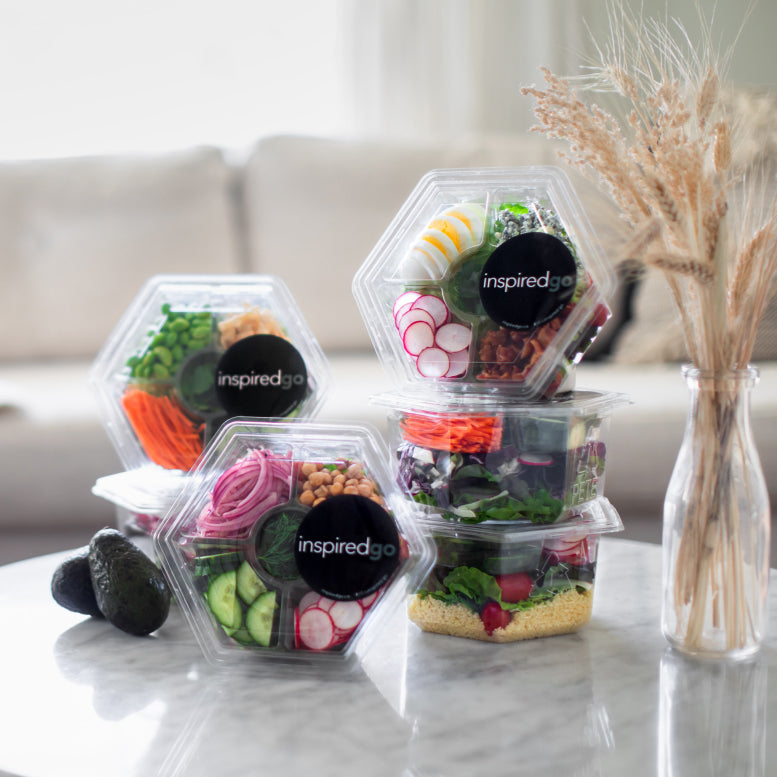
Low-calorie meals support weight loss and weight maintenance by creating a manageable calorie deficit without nutrient deprivation. Salads play a major role in this approach, providing a high volume of food for fewer calories while delivering vitamins, fiber, and antioxidants that boost overall health. A diet lower in excess fats and sugars can also improve cardiovascular health, lower blood pressure, and reduce the risk of chronic diseases over time. Beyond physical benefits, consuming low-calorie, nutrient-dense salads can improve mood and mental focus by avoiding the sluggishness that follows heavy, high-calorie meals. Low-calorie meal delivery services ensure that every dish is portion-controlled, making it easier to avoid overeating or relying on guesswork when tracking calories.
Choose your salads and schedule delivery →
3. Are Low-Calorie Meals Nutritionally Balanced?
Low-calorie meals are designed to provide essential nutrients despite having fewer calories per serving, and salads are one of the best ways to achieve this balance. They focus on nutrient density, combining greens, colorful vegetables, and lean proteins that deliver vitamins, minerals, and antioxidants without excess calories. Balanced salads include whole grains or legumes for steady energy and healthy fats from sources like avocado or seeds for satiety and brain health. Many low-calorie meal services, including salad delivery options, are developed under the guidance of nutritionists to meet dietary recommendations. Ingredients are carefully portioned to prevent under-fueling, a common mistake in poorly structured calorie-restricted diets. This balance allows you to lose or manage weight without feeling deprived or fatigued.
Get fresh salads and snacks delivered →
4. How Does Inspired Go Make Low-Calorie Eating Easy?
At Inspired Go, we believe healthy eating shouldn’t feel complicated or bland. Our low-calorie salads are crafted by expert chefs and dietitians to provide the perfect balance of flavor, texture, and nutrients while staying within your calorie goals. Each dish combines crisp greens, colorful vegetables, lean proteins, and wholesome grains in thoughtfully portioned servings. We make calorie tracking effortless by providing transparent nutritional information on every salad. Delivered fresh to your home or office, our salads remove the stress of grocery shopping, prepping, and cooking. Whether you’re looking to manage weight or simply eat lighter, Inspired Go makes low-calorie eating fresh, delicious, and completely hassle-free.
Try our fresh, ready-to-eat salads →
Frequently Asked Questions
Eating healthy without cooking is achievable by incorporating ready-to-eat nutritious options into your diet. Pre-prepared salads, fresh fruit, nuts, yogurt, and meal delivery services offering balanced meals are excellent choices. Look for meals high in fiber, protein, and healthy fats while minimizing processed ingredients. This approach ensures you maintain a nutritious diet even with a busy lifestyle or lack of cooking time.
Eating healthy on a budget involves planning meals around affordable, nutrient-dense ingredients. Prioritize staples like whole grains, beans, and seasonal vegetables, which are both inexpensive and nutritious. Opt for meal prep services or delivery plans that offer cost-effective options for healthy eating. Buying in bulk, reducing waste, and preparing meals at home also significantly reduce costs while maintaining balanced nutrition.
A healthy diet is one that emphasizes whole, unprocessed foods like fruits, vegetables, lean proteins, whole grains, and healthy fats. It provides the necessary nutrients for energy, growth, and disease prevention while limiting added sugars, saturated fats, and highly processed foods. A balanced diet supports physical and mental well-being and can be tailored to meet individual nutritional needs.
To eat more healthily, focus on gradually incorporating whole foods into your meals. Start by adding more vegetables to your plate, swapping refined grains for whole grains, and opting for lean protein sources like fish or legumes. Stay hydrated and avoid sugary beverages. Small, consistent changes can lead to long-term improvements in dietary habits without feeling restrictive.
Eating healthy is essential for maintaining overall health and well-being. A balanced diet reduces the risk of chronic diseases such as diabetes, heart disease, and obesity while supporting energy levels, mental clarity, and immune function. Consuming nutrient-dense foods provides your body with the vitamins and minerals it needs to function optimally, contributing to a longer, healthier life.