
What Is Considered Healthy Eating?
Table of Contents
1. Understanding the Concept of Healthy Eating
2. How Do You Make Healthy Eating Easy to Stick With?
3. How Can You Build Healthy Eating Habits Without Cooking Every Day?
4. How Inspired Go Makes Healthy Eating More Accessible
1. Understanding the Concept of Healthy Eating
Healthy eating is a balanced approach to nutrition that focuses on consuming a variety of nutrient-dense foods in the right proportions. It involves incorporating a diverse range of food groups into your daily diet, including fruits, vegetables, whole grains, lean proteins, and healthy fats. This not only provides the body with essential vitamins, minerals, and other nutrients needed for optimal function, but also helps prevent chronic diseases such as heart disease, diabetes, and obesity. A crucial aspect of healthy eating is portion control to maintain a balanced energy intake and prevent overconsumption. Additionally, minimizing the intake of processed foods, high-sugar snacks, and unhealthy fats is key to a balanced diet. It's important to remember that healthy eating is not about strict dietary restrictions or depriving oneself, but rather about feeling great, having more energy, improving health, and stabilizing mood.
Order fresh salads today →
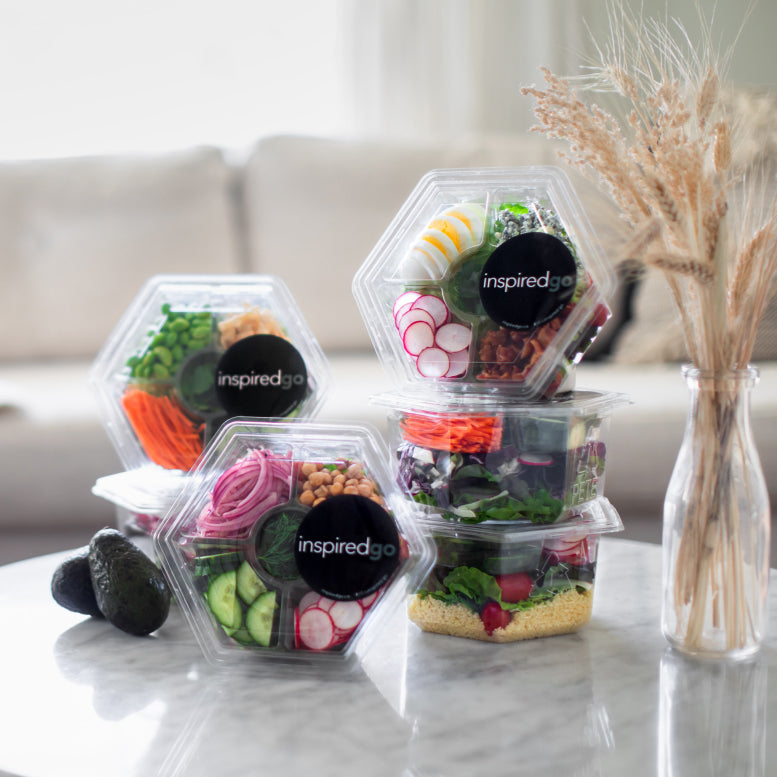

2. How Do You Make Healthy Eating Easy to Stick With?
Healthy eating becomes a lasting habit when it’s accessible, balanced, and flexible. The key is not aiming for perfection but focusing on meals that are satisfying and nutritionally dense, which make it easier to stick with the lifestyle long-term. Instead of overcomplicating things, prioritize vegetables, clean proteins, and healthy fats that naturally help you feel full and energized. When you build your meals around whole ingredients, you’re able to avoid cravings and energy dips, making your routine smoother. It’s also about consistency: eating healthy every day is easier when you focus on simple swaps rather than complete overhauls. By creating meals that fit your lifestyle, healthy eating becomes part of your daily routine, not something you feel forced to do. This approach leads to long-term success because it aligns with your natural habits and makes healthier choices feel effortless.
Choose your salads and schedule delivery →
3. How Can You Build Healthy Eating Habits Without Cooking Every Day?
Healthy eating doesn’t have to require cooking every day. Meal prepping on weekends or during less busy days allows you to stock up on balanced meals that are ready to eat when you are. This approach means you can enjoy healthy meals at work, home, or on the go without spending hours in the kitchen each day. Simple, easy-to-make options like salads, wraps, and bowls with clean proteins, leafy greens, and grains can be prepped in advance and stored for several days. By having meals ready to go, healthy eating becomes more convenient and less stressful. With a little planning, eating healthy becomes an effortless part of your daily routine, even for those who are always on the move. This strategy not only saves time but ensures that you always have a nourishing meal at your fingertips.
Get fresh salads and snacks delivered →
4. How Inspired Go Makes Healthy Eating More Accessible
Inspired Go is dedicated to making healthy eating both convenient and affordable without sacrificing quality. Our meals are designed for individuals who want to eat better without spending hours in the kitchen or breaking the bank. Each meal is carefully crafted with high-quality ingredients that are both satisfying and nutrient-dense, supporting everything from digestive health to energy levels. We believe in creating meals that help you feel your best, no matter how busy your day gets. With Inspired Go, healthy eating is no longer a challenge, it’s an accessible, enjoyable part of your daily routine. We’re committed to making nutrition simple, easy, and enjoyable, so you can nourish your body without stress.
Try our fresh, ready-to-eat salads →
Frequently Asked Questions
Manger sainement sans cuisiner est réalisable en incorporant des options nutritives prêtes à consommer dans votre alimentation. Les salades pré-préparées, les fruits frais, les noix, le yogourt et les services de livraison de repas équilibrés sont d'excellents choix. Recherchez des repas riches en fibres, en protéines et en graisses saines, tout en minimisant les ingrédients transformés. Cette approche vous assure de maintenir une alimentation nutritive même avec un mode de vie trépidant ou un manque de temps pour cuisiner.
Manger sainement avec un budget limité implique de planifier les repas autour d'ingrédients abordables et riches en nutriments. Privilégiez les produits de base comme les céréales complètes, les légumineuses et les légumes de saison, qui sont à la fois économiques et nutritifs. Optez pour des services de préparation de repas ou des plans de livraison qui offrent des options rentables pour une alimentation saine. Acheter en vrac, réduire le gaspillage et préparer les repas à la maison réduisent également considérablement les coûts tout en maintenant une alimentation équilibrée.
Une alimentation saine met l'accent sur les aliments entiers et non transformés comme les fruits, les légumes, les protéines maigres, les céréales complètes et les graisses saines. Elle fournit les nutriments nécessaires à l'énergie, à la croissance et à la prévention des maladies tout en limitant les sucres ajoutés, les graisses saturées et les aliments hautement transformés. Une alimentation équilibrée favorise le bien-être physique et mental et peut être adaptée pour répondre aux besoins nutritionnels individuels.
Pour manger plus sainement, concentrez-vous sur l'incorporation progressive d'aliments complets dans vos repas. Commencez par ajouter plus de légumes dans votre assiette, échangez les céréales raffinées contre des céréales complètes et optez pour des sources de protéines maigres comme le poisson ou les légumineuses. Restez hydraté et évitez les boissons sucrées. Des changements petits et constants peuvent entraîner des améliorations à long terme dans les habitudes alimentaires sans que cela ne semble restrictif.
Manger sainement est essentiel pour maintenir une bonne santé et un bien-être général. Une alimentation équilibrée réduit le risque de maladies chroniques telles que le diabète, les maladies cardiaques et l'obésité, tout en favorisant les niveaux d'énergie, la clarté mentale et la fonction immunitaire. La consommation d'aliments riches en nutriments fournit à votre corps les vitamines et les minéraux dont il a besoin pour fonctionner de manière optimale, contribuant ainsi à une vie plus longue et plus saine.