
Is Chickpea Salad High In Fiber?
Table of Contents
1. The Nutritional Profile of Chickpea Salad
2. Why Is Fiber So Important for Daily Nutrition?
3. How Do High‑Fiber Meals Contribute to Long‑Term Energy?
4. Inspired Go’s Fresh, Fiber‑Rich Meals That Fit Your Lifestyle
1. The Nutritional Profile of Chickpea Salad
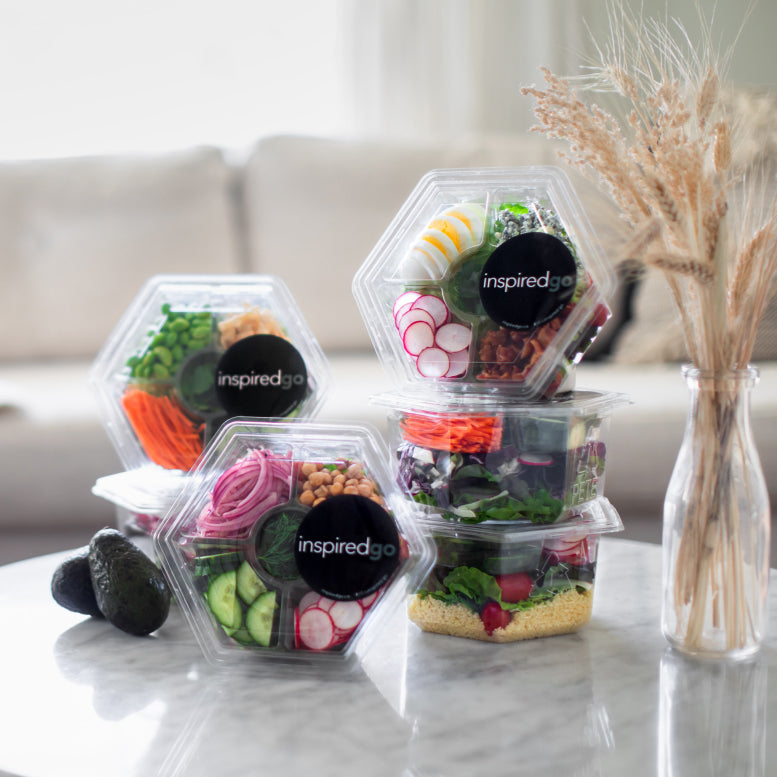
Chickpea salad is indeed a high-fiber meal option that can be a healthful addition to any balanced diet. Chickpeas, the main ingredient of the salad, are renowned for their high dietary fiber content. As a legume, chickpeas contain both soluble and insoluble fiber, which are crucial for maintaining good digestive health. Apart from being high in fiber, chickpea salad can also be a significant source of protein and other essential nutrients, depending on the additional ingredients included in the recipe. Additional vegetables, herbs, and dressings can add a variety of vitamins, minerals, and antioxidants to your meal, further enhancing its nutritional value. This makes chickpea salad not only a delicious choice but also a nutritious one that supports overall health and well-being.
Order fresh salads today →

2. Why Is Fiber So Important for Daily Nutrition?
Fiber plays a central role in maintaining digestive balance, but its benefits extend far beyond gut health. It slows carbohydrate absorption, stabilizes energy levels, and helps maintain healthy cholesterol levels, making it a key nutrient for long‑term vitality. Unfortunately, most people don’t get enough fiber in their daily meals, leading to sluggish digestion and irregular energy throughout the day. Building meals with fiber‑rich vegetables, whole grains, and legumes creates a steady release of energy that keeps you focused and satisfied between meals. A fiber‑forward approach also supports microbiome diversity, helping your body break down nutrients efficiently and maintain a healthy immune response over time. With fiber in the spotlight, your meals become tools for not just feeling full, but feeling great from the inside out.
Choose your salads and schedule delivery →
3. How Do High‑Fiber Meals Contribute to Long‑Term Energy?
High‑fiber meals are the unsung heroes of consistent, long‑lasting energy. Because fiber slows down digestion, it creates a gradual release of glucose into the bloodstream, preventing the spikes and crashes that come with processed foods. Meals rich in whole vegetables, grains, and legumes keep you powered through workdays, workouts, and everything in between. Over time, this steady energy supports better focus and fewer cravings, making healthy eating sustainable. When combined with hydration and balanced macros, fiber‑rich meals can help you feel energized without the afternoon slump. That’s why fiber isn’t just about digestion, it’s central to maintaining steady fuel for your brain and body all day long.
Get fresh salads and snacks delivered →
4. Inspired Go’s Fresh, Fiber‑Rich Meals That Fit Your Lifestyle
At Inspired Go, we understand that nutrition should be easy, enjoyable, and effective. That’s why our high‑fiber salads and bowls are designed to help you meet your nutritional needs while saving time and reducing food waste. Each meal includes a curated mix of fiber‑rich ingredients that promote better digestion, balance blood sugar, and keep you feeling satisfied longer. Our commitment to freshness means every salad arrives crisp, flavorful, and ready to enjoy, no cooking required. With Inspired Go, getting your daily fiber isn’t a chore, it’s an effortless step toward better health, more energy, and a happier gut every day. We believe that functional eating should still feel indulgent, which is why every bite brings both nourishment and enjoyment. It's the kind of convenience that makes clean eating realistic even on your busiest days.
Try our fresh, ready-to-eat salads →
Frequently Asked Questions
Les légumes à salade les plus nutritifs sont les variétés à feuilles foncées comme les épinards, le chou frisé et la roquette. Ces légumes sont remplis de vitamines essentielles, notamment A, C et K, ainsi que de minéraux comme le calcium et le fer. Le chou frisé est particulièrement riche en antioxydants, tandis que les épinards offrent des quantités importantes de folate et de magnésium. Choisir un mélange de légumes verts foncés améliore à la fois la saveur et la valeur nutritive de votre salade.
Une salade saine comprend un équilibre d'ingrédients riches en nutriments tels que des légumes-feuilles, des légumes frais, des protéines maigres et des graisses saines. Par exemple, une base d'épinards et de chou frisé, associée à du poulet grillé, des tomates cerises, de l'avocat et une vinaigrette légère à l'huile d'olive, crée un repas sain. Évitez les garnitures frites ou les vinaigrettes sucrées, car elles ajoutent des calories vides, et optez pour des ingrédients naturels pour maximiser la nutrition.
Oui, manger de la salade quotidiennement est une saine habitude si elle comprend une variété d'ingrédients frais et riches en nutriments. Les salades apportent des fibres pour la digestion, des antioxydants pour l'immunité et des nutriments essentiels comme le potassium et le folate. Manger régulièrement des salades peut soutenir la gestion du poids et améliorer les niveaux d'énergie. Pour éviter la monotonie, variez vos légumes verts, vos protéines et vos garnitures pour que les repas restent satisfaisants et nutritionnellement équilibrés.
Les vinaigrettes saines sont généralement faites à partir d'ingrédients simples et naturels. Les vinaigrettes à base d'huile d'olive, associées à du vinaigre balsamique ou à du jus de citron frais, apportent de bonnes graisses et rehaussent la saveur sans calories superflues. Évitez les vinaigrettes achetées en magasin, riches en sucre ou en conservateurs. Pour une alternative crémeuse, optez pour des vinaigrettes maison à base de yogourt grec ou d'avocat pour des avantages nutritionnels supplémentaires.
Oui, les salades sont incroyablement bénéfiques pour la santé globale lorsqu'elles sont préparées avec des ingrédients frais et entiers. Elles sont faibles en calories et riches en vitamines, minéraux et antioxydants, favorisant la santé cardiaque, la digestion et l'immunité. L'ajout d'un mélange de protéines et de graisses saines crée un repas satisfaisant et riche en nutriments. L'intégration régulière de salades dans votre alimentation peut favoriser le bien-être à long terme et l'énergie.