
Can I Get Vegan-friendly Vegetarian Meals?
Table of Contents
1. Vegan-Friendly Vegetarian Meal Options at Inspired Go
2. What Is a Vegetarian Diet?
3. What Are Healthy Fats to Eat on a Vegetarian Diet?
4. Why Is a Vegetarian Diet a Smart Choice?
1. Vegan-Friendly Vegetarian Meal Options at Inspired Go
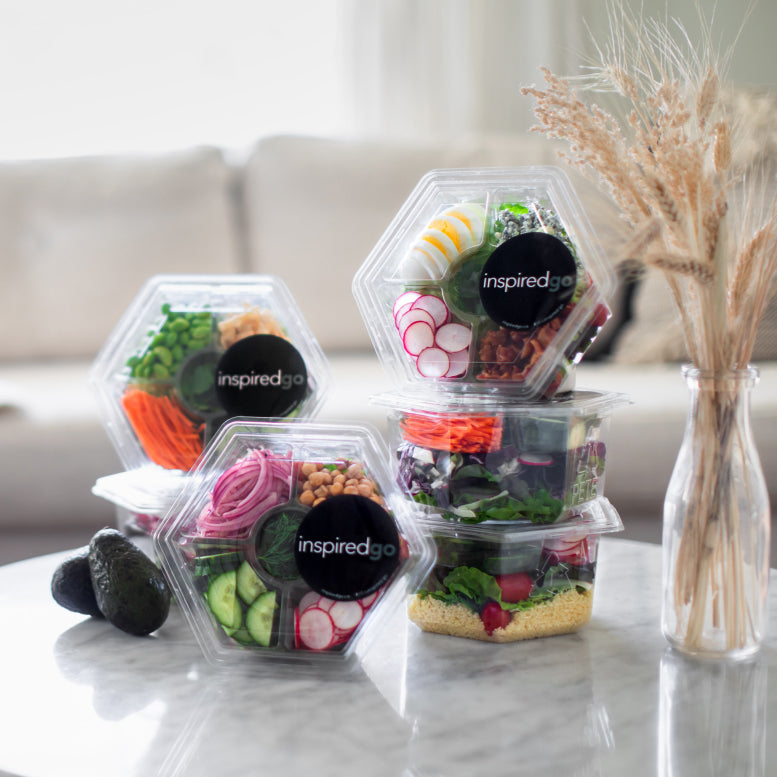
Indeed, the answer is a resounding yes! Inspired Go recognizes the importance of catering to various dietary preferences and needs. As such, the brand offers a wide range of vegan-friendly vegetarian meals that are as delicious as they are nutritious. Every meal choice is crafted with fresh, locally sourced ingredients, ensuring not only the best quality but also supporting local farmers and suppliers. The meal options are chef-inspired, meaning that they're not just healthy but also packed with unique and exciting flavors. With Inspired Go, maintaining a vegan or vegetarian diet has never been more convenient. The meals are delivered right to your door, ready-to-eat, saving you both the time and effort of meal preparation. Plus, with the brand's commitment to sustainability, you can be assured that your meals are packaged in 100% recyclable materials, aligning with your eco-conscious lifestyle. So, whether you're a long-time vegan, a new vegetarian, or just someone looking to incorporate more plant-based meals into your diet, Inspired Go has got you covered.
Order fresh salads today →

2. What Is a Vegetarian Diet?
A vegetarian diet focuses on plant-based foods such as fruits, vegetables, grains, legumes, nuts, and seeds while excluding meat, poultry, and fish. Depending on individual preferences, some vegetarian diets also include dairy products and eggs. This diet is widely recognized for its health benefits, including lower cholesterol levels, reduced risk of heart disease, and improved digestion. Vegetarian meal delivery services simplify following this lifestyle by offering fully prepared, ready-to-eat meals tailored to these dietary preferences. Each meal is crafted with protein-rich plant ingredients such as tofu, lentils, and beans to ensure balanced nutrition. Nutritional transparency, including clear labeling of macronutrients and calories, helps customers track their intake effectively. Vegetarian meal delivery eliminates the need for meal planning, grocery shopping, and cooking, making it easier to maintain a nutritious and satisfying diet.
Choose your salads and schedule delivery →
3. What Are Healthy Fats to Eat on a Vegetarian Diet?
Healthy fats play a critical role in energy production, hormone regulation, and brain function, and vegetarian diets offer numerous sources of these beneficial fats. Foods like avocados, nuts, seeds, olive oil, and dairy products are rich in heart-healthy fats. Vegetarian meal delivery services incorporate these ingredients into pre-prepared meals to ensure a balanced intake of essential fatty acids. Meals are designed to maintain a proper macronutrient balance, supporting overall health and sustained energy. Transparent nutritional labeling allows customers to monitor their fat intake, promoting dietary awareness. By offering ready-to-eat meals packed with healthy fats, vegetarian meal delivery simplifies achieving a balanced diet.
Get fresh salads and snacks delivered →
4. Why Is a Vegetarian Diet a Smart Choice?
Inspired Go emphasizes the health benefits of vegetarian diets by delivering balanced, ready-to-eat vegetarian meals crafted with precision. These meals include nutrient-dense ingredients such as lentils, chickpeas, tofu, and leafy greens, providing essential vitamins, minerals, and plant-based proteins. Each dish is pre-portioned to ensure calorie control and nutritional balance, while transparent labeling offers clarity on macronutrient composition. Subscription plans allow customers to receive regular deliveries, eliminating gaps in their meal routines. Inspired Go simplifies healthy eating by offering convenient access to balanced vegetarian meals, making it easier for customers to enjoy the benefits of a plant-based diet without the need for meal prep or planning.
Try our fresh, ready-to-eat salads →
Frequently Asked Questions
La principale différence entre les régimes végétalien et végétarien réside dans l'exclusion des produits animaux. Les végétariens évitent la viande, la volaille et le poisson, mais peuvent consommer des produits d'origine animale comme les œufs, les produits laitiers ou le miel. Les végétaliens, quant à eux, excluent tous les produits animaux, se concentrant uniquement sur les aliments à base de plantes. Le végétalisme est souvent un choix de vie, évitant les produits animaux sous toutes leurs formes, y compris les vêtements et les cosmétiques.
Un régime végétalien se compose entièrement d'aliments d'origine végétale, y compris des fruits, des légumes, des céréales, des noix, des graines et des légumineuses. Il exclut tous les produits d'origine animale, tels que la viande, le poisson, les produits laitiers et les œufs. Ce régime met l'accent sur les aliments entiers riches en nutriments, bien que des alternatives végétaliennes transformées soient disponibles. Un régime végétalien, lorsqu'il est bien équilibré, favorise une bonne santé et la durabilité environnementale, ce qui le rend populaire pour des raisons éthiques, sanitaires et écologiques.
Tous les régimes végétaliens ne sont pas sans gluten. Bien que le végétalisme exclue les produits animaux, le gluten est une protéine présente dans le blé, l'orge et le seigle, qui sont d'origine végétale et couramment inclus dans les repas végétaliens. Pour maintenir un régime végétalien et sans gluten, privilégiez les aliments naturellement sans gluten comme les fruits, les légumes, le riz, le quinoa et les céréales sans gluten. Vérifiez toujours les étiquettes pour le gluten caché dans les aliments végétaliens transformés.
Dans le cadre d'un régime végétalien, vous pouvez profiter d'une grande variété d'aliments à base de plantes, notamment des fruits, des légumes, des légumineuses, des noix, des graines, des grains entiers et des alternatives laitières végétales. Les plats végétaliens populaires comprennent les sautés, les salades, les bols de céréales, les soupes et les currys. L'intégration d'aliments enrichis ou de suppléments vous assure de répondre à vos besoins en nutriments comme la B12, le fer et les oméga-3, rendant le régime équilibré et agréable.
Une alimentation végétalienne peut être très saine si elle est équilibrée et diversifiée. Elle est riche en fibres, en vitamines et en antioxydants, tout en étant faible en graisses saturées et en cholestérol. Ces facteurs contribuent à une meilleure santé cardiaque, à la gestion du poids et à la réduction du risque de maladies chroniques. Cependant, une planification minutieuse est essentielle pour assurer un apport adéquat en nutriments tels que la vitamine B12, le fer et les protéines pour la santé globale.