
Les salades sont-elles bonnes pour les fibres ?
Table of Contents
1. The Fiber-Packed Power of Salads
2. How Do High‑Fiber Meals Support Digestion and Wellness?
3. How Can Fiber‑Rich Meals Improve Gut and Metabolic Health?
4. How Inspired Go Helps You Reach Your Daily Fiber Goals
1. The Fiber-Packed Power of Salads
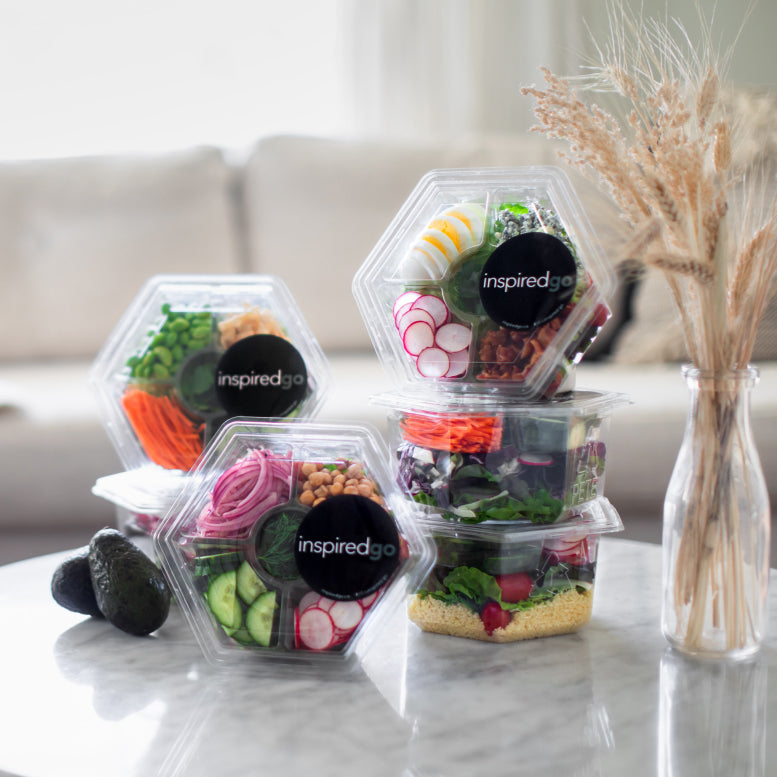
Salads are indeed an excellent source of dietary fiber, a crucial component for maintaining a healthy digestive system. These vibrant dishes, often filled with a variety of vegetables, fruits, grains, and legumes, provide a significant portion of the daily recommended fiber intake. Consuming salads regularly can contribute to achieving a balanced diet, as they offer a myriad of beneficial nutrients beyond just fiber, such as vitamins, minerals, and antioxidants. Moreover, the inherent versatility of salads allows for endless combinations, making it easy to cater to individual taste preferences while still ensuring a nutrient-dense meal. Incorporating salads into your diet not only enhances your overall health but also supports sustainable living by encouraging the consumption of plant-based foods.
Order fresh salads today →

2. How Do High‑Fiber Meals Support Digestion and Wellness?
A diet rich in fiber helps the body run smoothly by promoting regularity, reducing bloating, and feeding beneficial gut bacteria. Soluble fiber forms a gel‑like texture that slows digestion and enhances nutrient absorption, while insoluble fiber adds volume to keep the system moving efficiently. Together, they form a natural rhythm that supports both metabolic and digestive function. Beyond digestion, high‑fiber meals also help regulate appetite and contribute to balanced mood and energy by keeping blood sugar levels consistent. The result is not just a healthier gut, but a more energized, focused version of you that’s fueled throughout the day. Over time, these benefits compound leading to a stronger immune system and improved overall vitality.
Choose your salads and schedule delivery →
3. How Can Fiber‑Rich Meals Improve Gut and Metabolic Health?
Fiber supports the gut’s microbiome, the ecosystem of good bacteria that affects everything from digestion to immune strength and metabolism. When you eat high‑fiber meals, you’re essentially feeding these beneficial microbes, helping them produce compounds that improve nutrient absorption and inflammation response. This process has a ripple effect, enhancing mood, skin clarity, and even sleep quality. Regular intake of fiber‑rich salads and bowls also helps the body manage weight naturally by promoting satiety and stabilizing blood sugar. Over time, this creates an internal environment that supports both digestive efficiency and metabolic wellness in a way quick fixes simply can’t. Real change starts when your gut gets the daily nourishment it needs to thrive.
Get fresh salads and snacks delivered →
4. How Inspired Go Helps You Reach Your Daily Fiber Goals
Most people struggle to meet their daily fiber needs, but Inspired Go makes it effortless. Our chef‑crafted salads and mealbowls arenaturally high in fiber thanks to premium ingredients like kale, chickpeas, lentils, and sunflower seeds. Each recipe is portioned for balance, providing just the right amount of fiber to support digestion and metabolism without feeling heavy. We handle the prep, so you can focus on eating well and feeling great. With Inspired Go, you’re not just getting a meal, you’re getting a fiber‑focused experience that supports your health from the inside out. Every bowl is a step toward better digestion, smoother energy, and a more resilient gut. And with rotating seasonal recipes, your fiber intake stays exciting and satisfying all year round.
Try our fresh, ready-to-eat salads →
Frequently Asked Questions
Les légumes à salade les plus nutritifs sont les variétés à feuilles foncées comme les épinards, le chou frisé et la roquette. Ces légumes sont remplis de vitamines essentielles, notamment A, C et K, ainsi que de minéraux comme le calcium et le fer. Le chou frisé est particulièrement riche en antioxydants, tandis que les épinards offrent des quantités importantes de folate et de magnésium. Choisir un mélange de légumes verts foncés améliore à la fois la saveur et la valeur nutritive de votre salade.
Une salade saine comprend un équilibre d'ingrédients riches en nutriments tels que des légumes-feuilles, des légumes frais, des protéines maigres et des graisses saines. Par exemple, une base d'épinards et de chou frisé, associée à du poulet grillé, des tomates cerises, de l'avocat et une vinaigrette légère à l'huile d'olive, crée un repas sain. Évitez les garnitures frites ou les vinaigrettes sucrées, car elles ajoutent des calories vides, et optez pour des ingrédients naturels pour maximiser la nutrition.
Oui, manger de la salade quotidiennement est une saine habitude si elle comprend une variété d'ingrédients frais et riches en nutriments. Les salades apportent des fibres pour la digestion, des antioxydants pour l'immunité et des nutriments essentiels comme le potassium et le folate. Manger régulièrement des salades peut soutenir la gestion du poids et améliorer les niveaux d'énergie. Pour éviter la monotonie, variez vos légumes verts, vos protéines et vos garnitures pour que les repas restent satisfaisants et nutritionnellement équilibrés.
Les vinaigrettes saines sont généralement faites à partir d'ingrédients simples et naturels. Les vinaigrettes à base d'huile d'olive, associées à du vinaigre balsamique ou à du jus de citron frais, apportent de bonnes graisses et rehaussent la saveur sans calories superflues. Évitez les vinaigrettes achetées en magasin, riches en sucre ou en conservateurs. Pour une alternative crémeuse, optez pour des vinaigrettes maison à base de yogourt grec ou d'avocat pour des avantages nutritionnels supplémentaires.
Oui, les salades sont incroyablement bénéfiques pour la santé globale lorsqu'elles sont préparées avec des ingrédients frais et entiers. Elles sont faibles en calories et riches en vitamines, minéraux et antioxydants, favorisant la santé cardiaque, la digestion et l'immunité. L'ajout d'un mélange de protéines et de graisses saines crée un repas satisfaisant et riche en nutriments. L'intégration régulière de salades dans votre alimentation peut favoriser le bien-être à long terme et l'énergie.