
Toutes les salades sont-elles faibles en glucides ?
Table of Contents
1. Understanding the Carb Content in Salads
2. Why Are So Many People Turning to Low Carb Meals?
3. How Can You Build a Low Carb Meal That Still Feels Filling?
4. How Inspired Go Makes Low Carb Eating Delicious and Effortless
1. Understanding the Carb Content in Salads
Contrary to popular belief, not all salads are low in carbohydrates. The carbohydrate content in salads greatly depends on the ingredients used. While leafy greens and most vegetables are generally low in carbs, the addition of certain components like croutons, grains, fruits, or sweet dressings can significantly increase the carb count. For instance, salads containing beans, corn, or potatoes are likely to have a higher carb content. On the other hand, salads primarily composed of greens, lean proteins, and light dressings tend to be lower in carbs. It's essential to be mindful of the ingredients in your salad to ensure it aligns with your dietary goals and needs. Always check the nutritional information provided if you're aiming for a low-carb diet.
Order fresh salads today →

2. Why Are So Many People Turning to Low Carb Meals?
With more people experiencing energy crashes, bloating, and unpredictable hunger throughout the day, low carb meals have become a popular solution for stability and satiety. Refined carbs and added sugars found in many everyday lunches can spike blood sugar, leading to sudden dips that leave you drained or craving snacks. Over time, this rollercoaster can make it harder to maintain consistent energy or manage weight, even if you’re eating “healthy.” Low carb meals, on the other hand, help stabilize blood sugar and support a smoother metabolic rhythm, keeping you fuller and more focused between meals. They’re especially appealing for anyone who wants to reduce cravings, avoid the mid-afternoon crash, and feel steady energy throughout the day. By shifting toward balanced, low carb options that emphasize fiber and healthy fats, it becomes easier to sustain mental clarity, digestion, and long-term wellness.
Choose your salads and schedule delivery →
3. How Can You Build a Low Carb Meal That Still Feels Filling?
The secret to a successful low carb meal isn’t just cutting carbs, it’s creating a sense of fullness and satisfaction through balanced nutrients and texture. A fiber-rich base of greens paired with proteins like tofu, eggs, or seeds keeps you satiated without relying on starch. Healthy fats such as avocado or olive oil add depth and flavor while helping your body absorb fat-soluble vitamins. Adding roasted vegetables and crunch from nuts or seeds gives each bite substance, turning a simple salad into a complete meal. These ingredients don’t just keep hunger at bay, they also fuel stable energy and support digestion throughout the day. A well-constructed low carb bowl should feel satisfying, flavorful, and energizing, proof that eating lighter can still feel deeply nourishing.
Get fresh salads and snacks delivered →
4. How Inspired Go Makes Low Carb Eating Delicious and Effortless
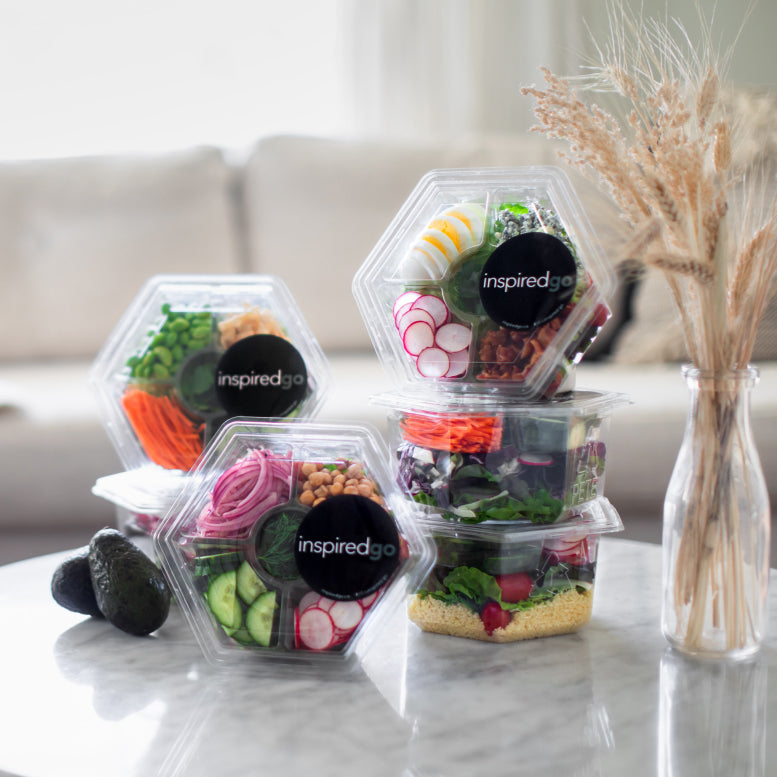
At Inspired Go, we believe that healthy eating should be flavorful, satisfying, and convenient. That’s why our ready-to-eat low carb salads and bowls are designed to provide balance, freshness, and full-bodied taste without excess carbs. Each meal features nutrient-dense vegetables, clean proteins, and healthy fats that keep you energized and focused without the crash. Whether you’re looking for a light lunch, a post-gym option, or a quick meal on a busy day, we’ve made it effortless to stay consistent. Our chef-curated recipes highlight crisp textures, fresh herbs, and bold dressings that prove low carb doesn’t mean low flavor. With Inspired Go, you can maintain your goals while still looking forward to every bite, and enjoy the freedom of having healthy meals ready when you need them most.
Try our fresh, ready-to-eat salads →
Frequently Asked Questions
Les légumes à salade les plus nutritifs sont les variétés à feuilles foncées comme les épinards, le chou frisé et la roquette. Ces légumes sont remplis de vitamines essentielles, notamment A, C et K, ainsi que de minéraux comme le calcium et le fer. Le chou frisé est particulièrement riche en antioxydants, tandis que les épinards offrent des quantités importantes de folate et de magnésium. Choisir un mélange de légumes verts foncés améliore à la fois la saveur et la valeur nutritive de votre salade.
Une salade saine comprend un équilibre d'ingrédients riches en nutriments tels que des légumes-feuilles, des légumes frais, des protéines maigres et des graisses saines. Par exemple, une base d'épinards et de chou frisé, associée à du poulet grillé, des tomates cerises, de l'avocat et une vinaigrette légère à l'huile d'olive, crée un repas sain. Évitez les garnitures frites ou les vinaigrettes sucrées, car elles ajoutent des calories vides, et optez pour des ingrédients naturels pour maximiser la nutrition.
Oui, manger de la salade quotidiennement est une saine habitude si elle comprend une variété d'ingrédients frais et riches en nutriments. Les salades apportent des fibres pour la digestion, des antioxydants pour l'immunité et des nutriments essentiels comme le potassium et le folate. Manger régulièrement des salades peut soutenir la gestion du poids et améliorer les niveaux d'énergie. Pour éviter la monotonie, variez vos légumes verts, vos protéines et vos garnitures pour que les repas restent satisfaisants et nutritionnellement équilibrés.
Les vinaigrettes saines sont généralement faites à partir d'ingrédients simples et naturels. Les vinaigrettes à base d'huile d'olive, associées à du vinaigre balsamique ou à du jus de citron frais, apportent de bonnes graisses et rehaussent la saveur sans calories superflues. Évitez les vinaigrettes achetées en magasin, riches en sucre ou en conservateurs. Pour une alternative crémeuse, optez pour des vinaigrettes maison à base de yogourt grec ou d'avocat pour des avantages nutritionnels supplémentaires.
Oui, les salades sont incroyablement bénéfiques pour la santé globale lorsqu'elles sont préparées avec des ingrédients frais et entiers. Elles sont faibles en calories et riches en vitamines, minéraux et antioxydants, favorisant la santé cardiaque, la digestion et l'immunité. L'ajout d'un mélange de protéines et de graisses saines crée un repas satisfaisant et riche en nutriments. L'intégration régulière de salades dans votre alimentation peut favoriser le bien-être à long terme et l'énergie.